The Role of Comprehensive Software in Risk Management and Forecasting
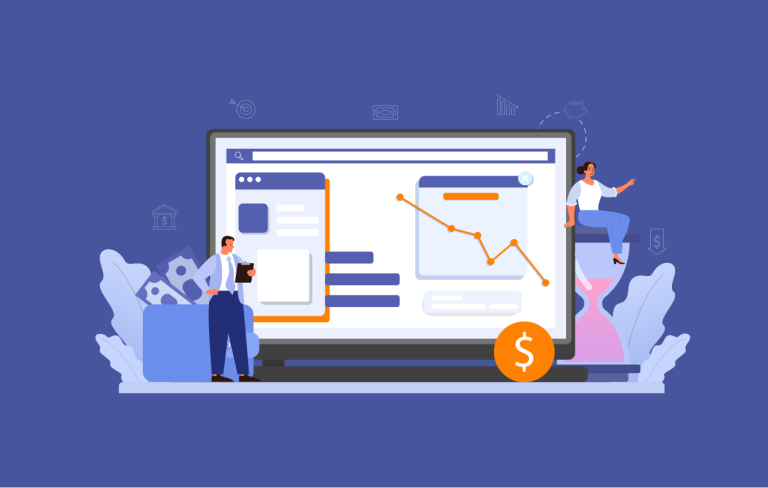
In today’s fast-paced and increasingly complex business environment, effective risk management and accurate forecasting are critical for success. Businesses that can identify potential risks, assess their impact, and make informed decisions based on data-driven forecasts are better positioned to thrive. However, achieving these objectives requires more than traditional approaches; it demands the power of comprehensive software solutions.
Understanding Risk Management


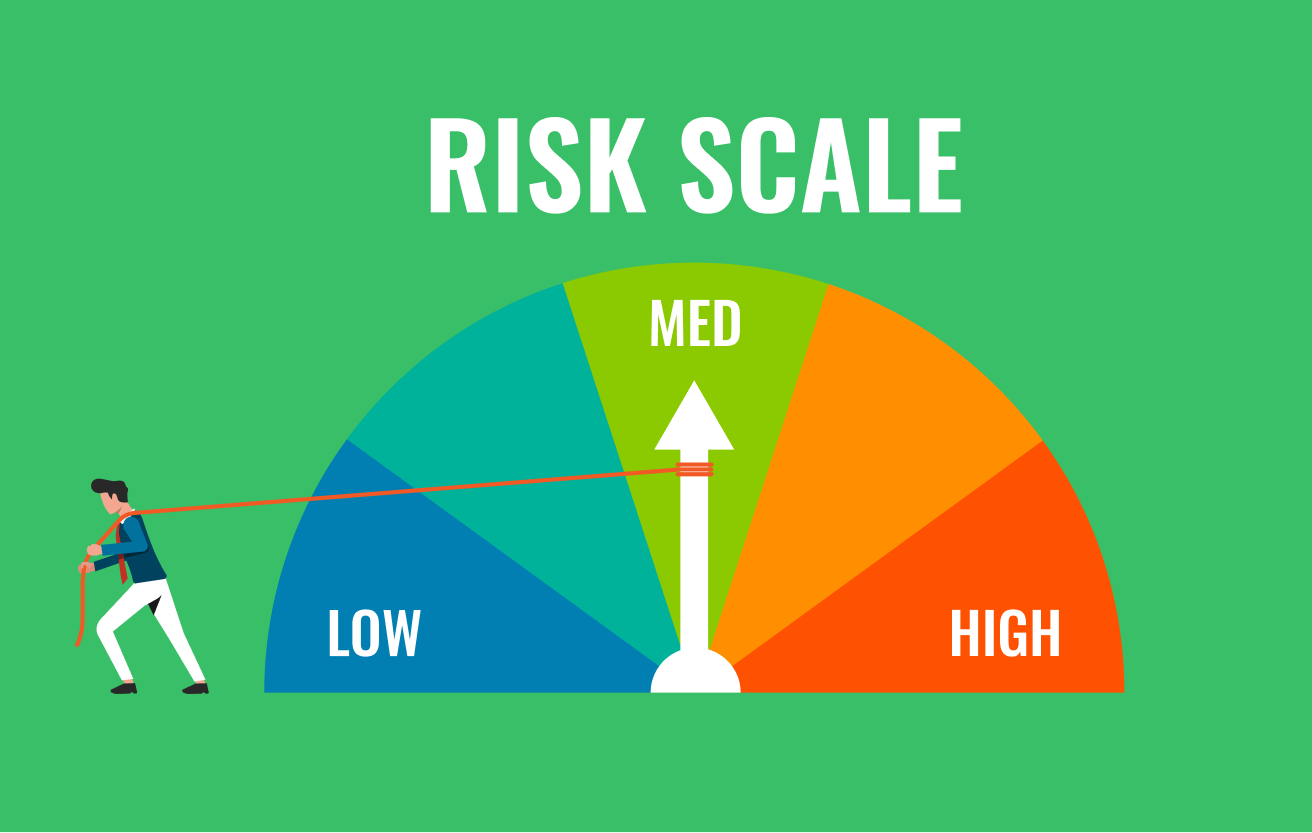
Before delving into the role of software, let’s first understand the significance of risk management. In essence, risk management involves identifying, assessing, and mitigating various types of risks that businesses face. These risks can be financial, operational, strategic, or related to compliance and security. Without a robust risk management strategy, organizations may find themselves vulnerable to unexpected challenges, leading to financial losses and reputation damage.
The Need for Comprehensive Software
Traditional risk management approaches, often reliant on manual processes and fragmented data sources, have limitations. They can be time-consuming, error-prone, and may not provide the real-time insights needed to address rapidly evolving risks. This is where comprehensive software solutions come into play.
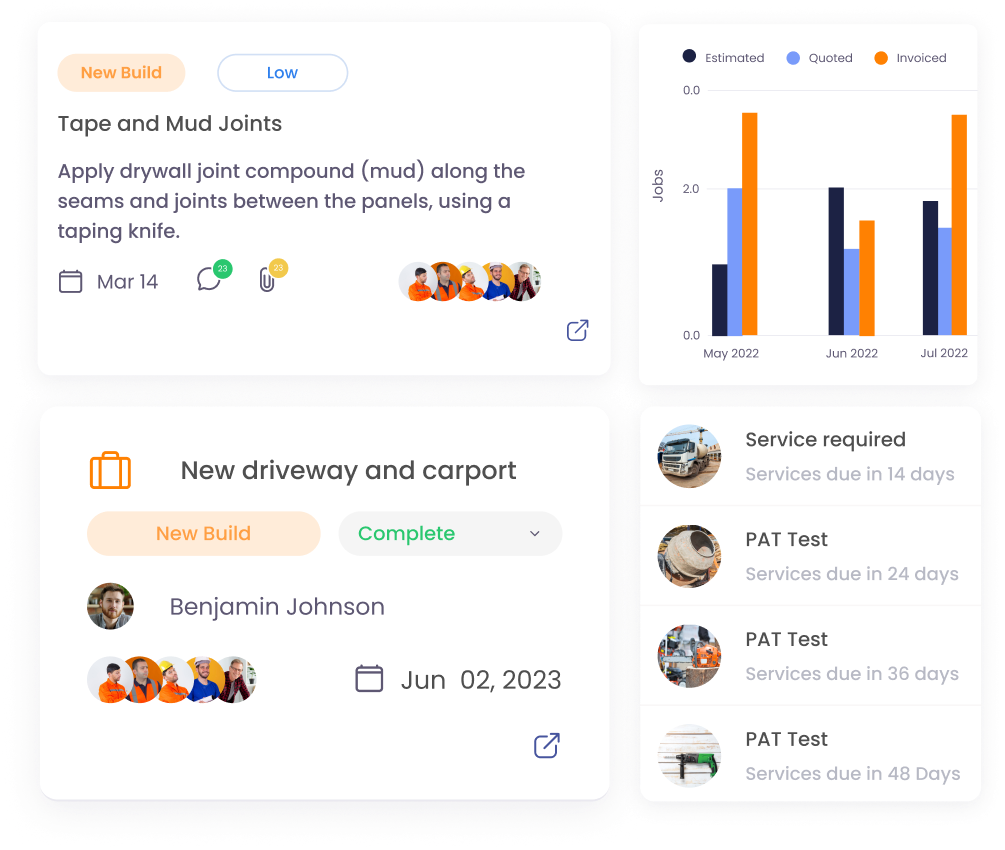
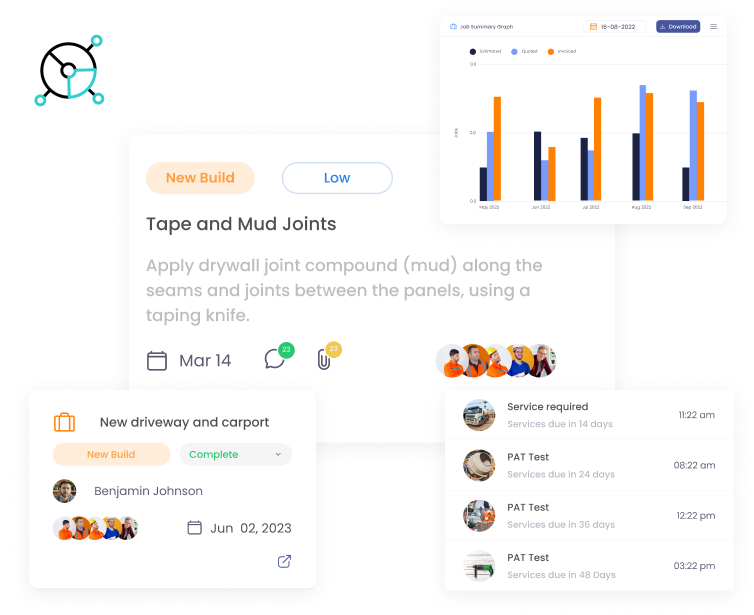
Comprehensive risk management software offers a holistic approach to identifying and mitigating risks. It provides businesses with the tools to collect, integrate, and analyze data from various sources, allowing for a more accurate assessment of potential risks. Moreover, it offers real-time monitoring, which is crucial in today’s dynamic business landscape.
Features and Capabilities

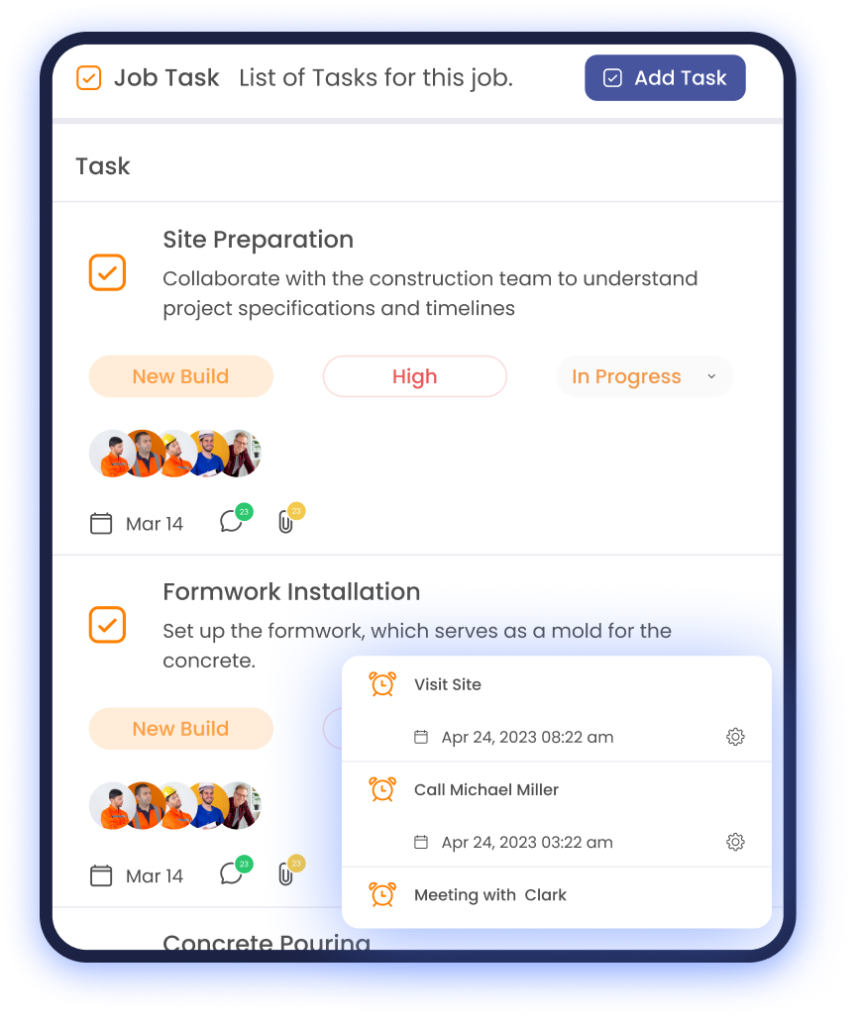
Comprehensive software solutions come equipped with a wide range of features and capabilities designed to enhance risk management and forecasting:
- Data Integration: These software solutions can seamlessly integrate with existing systems and databases, consolidating data from across the organization.
- Advanced Analytics: They employ advanced analytics and predictive modeling to identify emerging risks and forecast future scenarios.
- Automation: Routine risk assessment processes can be automated, reducing manual efforts and improving accuracy.
- Real-time Monitoring: With real-time data, businesses can respond swiftly to emerging risks, preventing potential disasters.
- Customization: Software can be tailored to specific industry needs, ensuring that risk assessments are highly relevant.
Enhancing Forecasting
In addition to risk management, comprehensive software significantly enhances forecasting capabilities. It allows businesses to harness the power of predictive analytics, which can provide insights into future trends, customer behavior, and market dynamics. Data-driven forecasting enables organizations to make informed decisions and allocate resources more effectively.
Integration with Business Processes
One of the key benefits of comprehensive software is its seamless integration with various business processes. This integration extends beyond risk management and forecasting and encompasses functions such as finance, HR, supply chain, and more. By integrating risk management and forecasting into broader business processes, organizations can achieve greater efficiency and cost savings.
Challenges and Considerations
While comprehensive software offers substantial benefits, businesses should be aware of potential challenges in implementation. Data security, system compatibility, and the need for employee training are common considerations. However, these challenges can be addressed with careful planning and the right support.
Future Trends
The world of risk management and forecasting is continually evolving. In the future, we can expect to see more sophisticated machine learning algorithms, enhanced data visualization tools, and increased emphasis on cybersecurity risk management. Staying updated with these trends will be essential for businesses looking to maintain a competitive edge.
Conclusion
Comprehensive software solutions have become indispensable tools for modern businesses. They play a pivotal role in risk management and forecasting, enabling organizations to identify, assess, and mitigate risks effectively. Furthermore, they empower data-driven decision-making, improving overall business agility and competitiveness. As the business landscape continues to evolve, embracing these comprehensive solutions will be a strategic move for organizations committed to long-term success.
In an era where risks are abundant and uncertainties prevail, comprehensive software serves as a reliable compass, guiding businesses toward safer waters and brighter horizons.