The Direct Link Between Streamlined Processes and Increased Productivity
In the competitive landscape of modern business, productivity is often the key differentiator between success and stagnation. Business owners and managers continually seek ways to boost their operational efficiency and output. One of the most effective methods for achieving this goal is by streamlining processes.
What are Streamlined Processes?
Streamlined processes refer to the optimization and improvement of workflows within an organization. These processes are designed to minimize waste, reduce unnecessary steps, and maximize efficiency. In essence, they are the well-oiled gears that drive a business towards its goals.
Benefits of Streamlined Processes
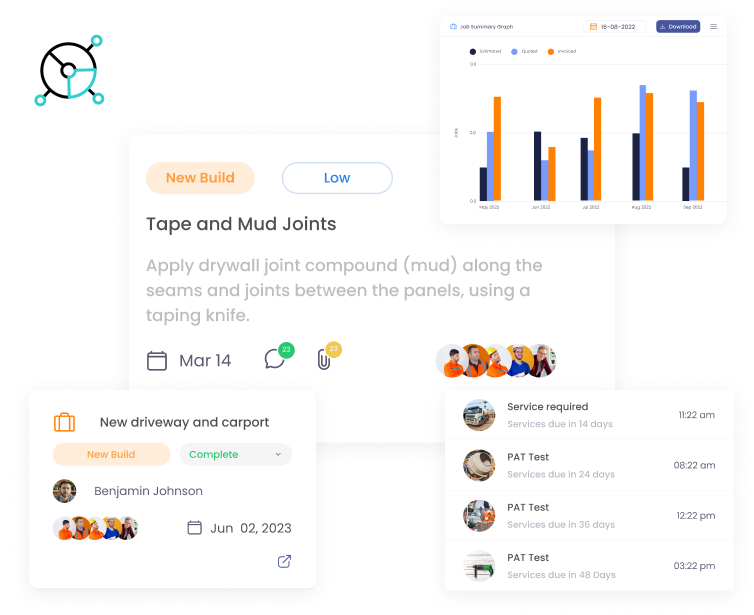
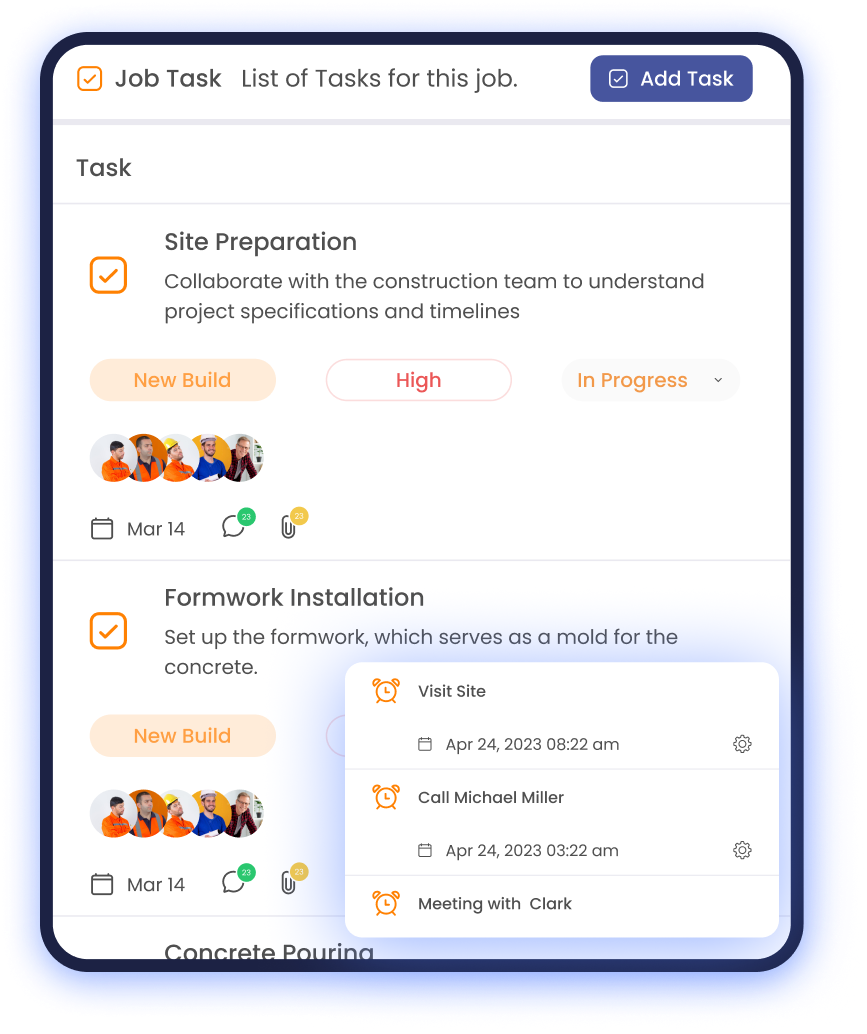
The benefits of streamlined processes are numerous and far-reaching. Here are some of the most compelling advantages:
- Time Savings: Streamlining processes saves time by eliminating bottlenecks and reducing wait times. This allows employees to focus on more valuable tasks.
- Cost Reduction: Efficiency improvements often lead to cost reductions. Fewer resources are wasted, and expenses are minimized.
- Improved Quality: Streamlined processes are typically more consistent, leading to improved product or service quality and customer satisfaction.
Strategies for Streamlining Processes
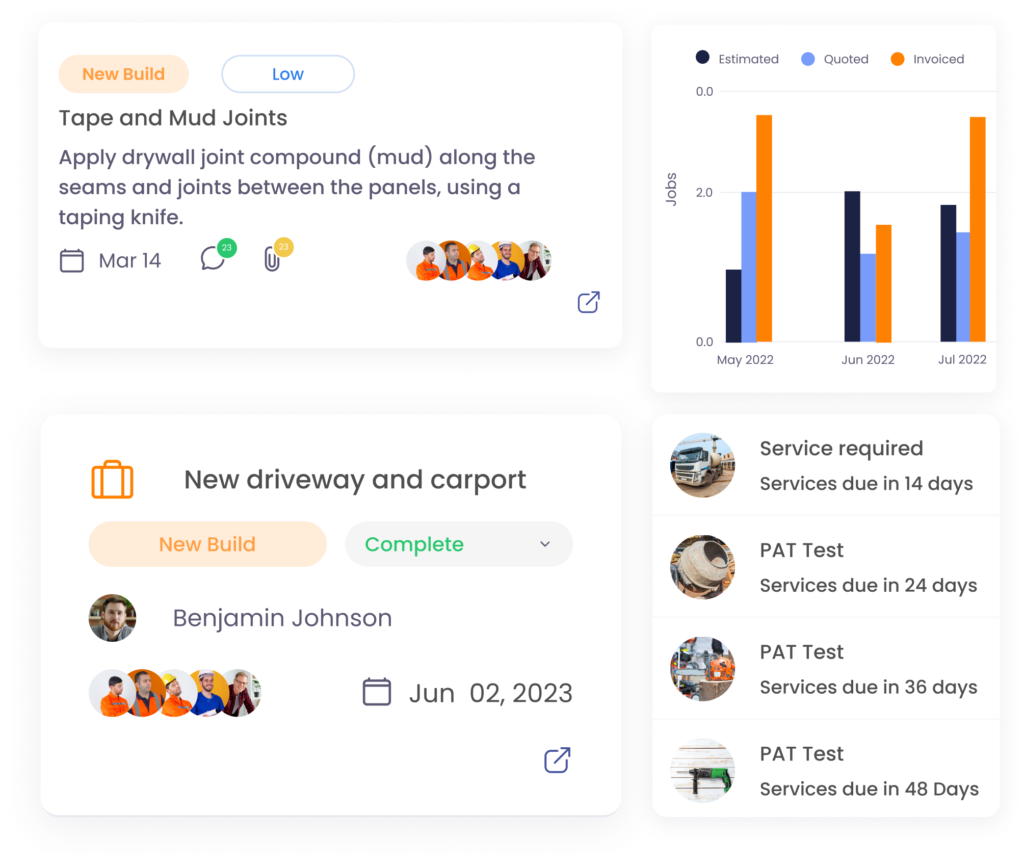
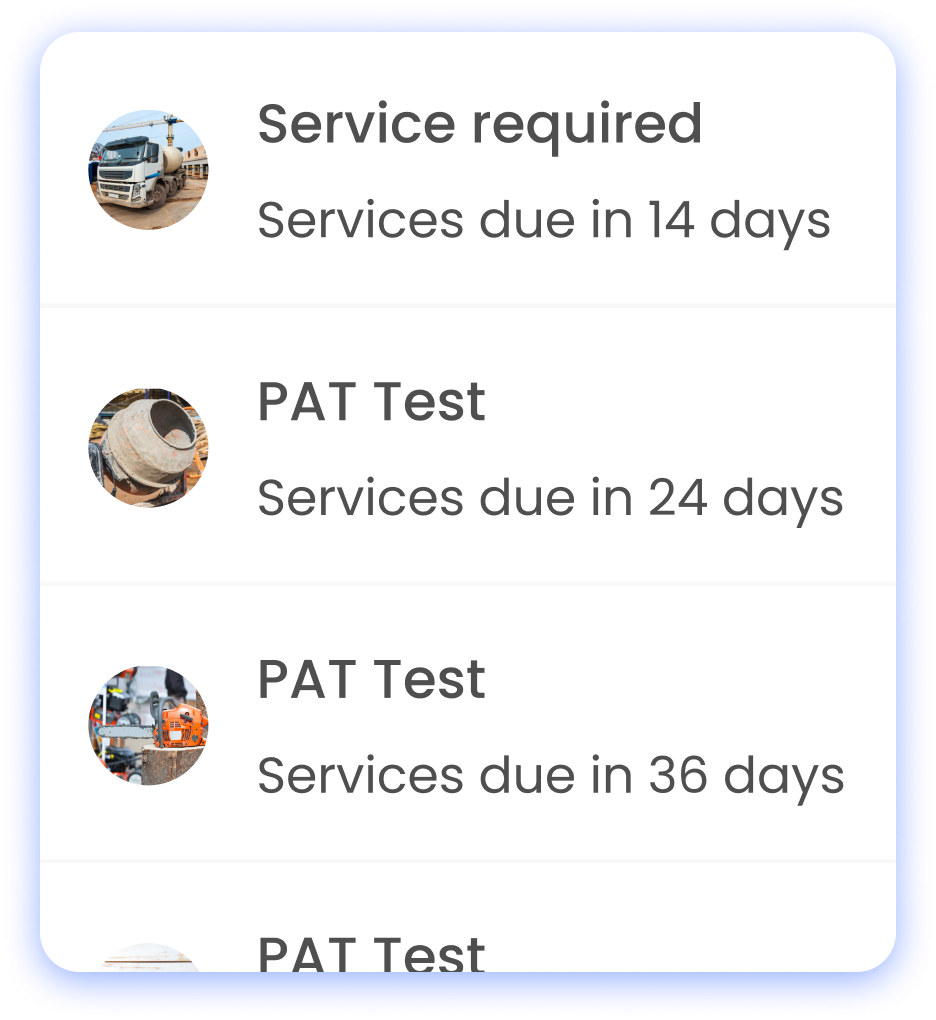
If you’re ready to embark on a journey of process optimization, here are some strategies to consider:
- Process Mapping: Start by mapping out your existing processes. Identify bottlenecks and areas where efficiency can be improved.
- Eliminate Redundancies: Look for tasks or steps that can be eliminated without compromising quality or compliance.
- Automation: Invest in workflow automation tools that can handle repetitive tasks, freeing up employees for more strategic work.
- Employee Training: Ensure that your team is well-trained in the new processes and understands the benefits of streamlining.
Tools and Technologies
Several tools and technologies can aid in process optimization:
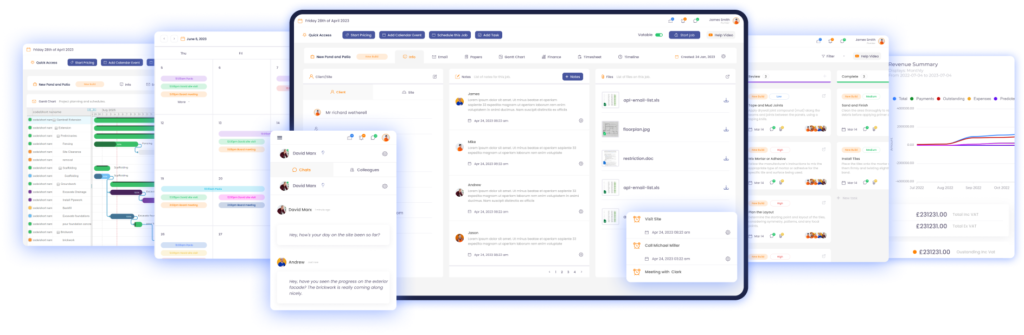
- Workflow Software: These platforms enable the automation and management of workflows, making it easier to track and optimize processes.
- Project Management Software: These tools help teams plan, execute, and monitor tasks efficiently.
Measuring and Monitoring Progress
To ensure that your efforts are paying off, it’s essential to measure and monitor your progress. Key performance indicators (KPIs) can help you track productivity improvements. Some relevant KPIs include:
- Cycle Time: The time it takes to complete a single process or task.
- Throughput: The rate at which tasks or processes are completed.
- Error Rate: The number of errors or defects in a process.
Challenges and Solutions
While the benefits of streamlined processes are significant, challenges can arise during the optimization journey. Some common challenges and their solutions include:
- Resistance to Change: Address resistance through effective change management strategies, clear communication, and employee involvement.
- Lack of Resources: Allocate resources strategically and prioritize the most critical process improvements.
Conclusion
In today’s fast-paced business environment, achieving and maintaining high levels of productivity is essential for success. Streamlined processes are the linchpin that can unlock increased efficiency, cost savings, and improved quality. By implementing the strategies and tools discussed in this article, your business can harness the direct link between streamlined processes and increased productivity, setting the stage for sustainable growth and competitiveness. See how CQ are helping businesses achieve this with effective, unique and all in one business management software.