
The Financial Implications of Poor Asset Management
In the world of business, assets are the lifeblood that keeps operations flowing. Whether it’s machinery on a factory floor, vehicles in a logistics fleet, or computer systems in an office, assets are the backbone of productivity and profitability. However, not all businesses recognize the critical importance of effective asset management. In this article, we will delve into the financial repercussions of neglecting asset management practices and explore why it’s a costly oversight that no business can afford.
Understanding Asset Management
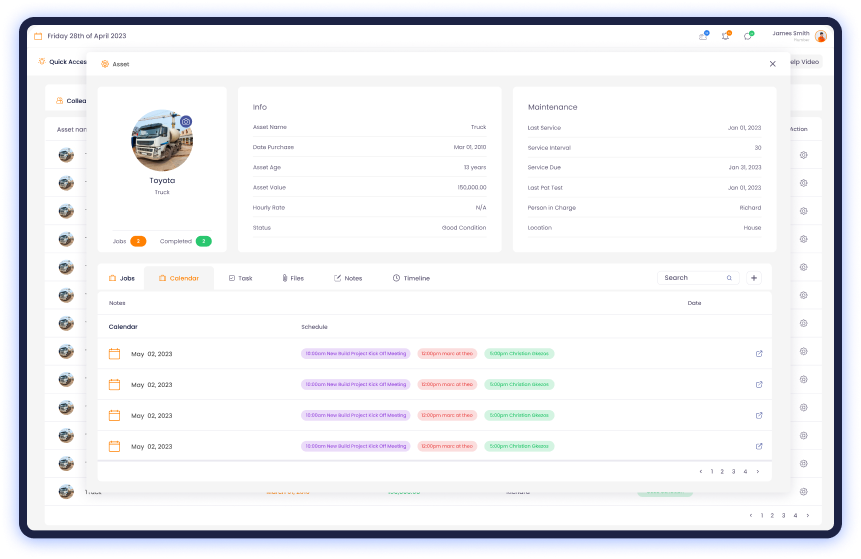

To appreciate the financial implications of poor asset management, we first need to understand what asset management entails. Asset management is a comprehensive approach to acquiring, operating, maintaining, upgrading, and disposing of assets in a cost-effective manner. It encompasses everything from tracking asset locations to optimizing their performance throughout their lifecycle.
The Costs of Neglect


The consequences of inadequate asset management can be substantial and far-reaching yet done adequately can maximise efficiency and accuracy in asset management.. Let’s take a closer look at the various ways it can impact a business’s finances:
Maintenance Expenses
Regular maintenance is an essential part of asset management. Neglecting maintenance leads to asset breakdowns, costly repairs, and, in some cases, complete asset replacement. The financial toll includes not only repair costs but also the downtime and lost productivity resulting from asset failures.
Example: A manufacturer saved $100,000 annually in repair costs and prevented $500,000 in production losses by implementing a proactive maintenance program.
Depreciation and Asset Value
Assets naturally depreciate over time, but poor asset management can accelerate this process. As assets age prematurely or become obsolete, their book value decreases, affecting a company’s balance sheet. Impaired asset value can lead to lower collateral for financing and impact financial ratios.
Example: Inefficient asset management led to a 20% faster depreciation rate, resulting in a $1 million reduction in asset book value over five years.
Lost Productivity
Operational efficiency is closely tied to asset management. When assets are not functioning optimally, it translates into lost productivity. Delays in production, delivery, or service can directly impact revenue and customer satisfaction.
Example: A transportation company experienced a 15% drop in on-time deliveries due to poorly maintained vehicles, resulting in a 10% revenue decrease.
Compliance and Regulatory Costs
In many industries, compliance with safety and environmental regulations is mandatory. Neglecting asset management can lead to non-compliance and, consequently, fines, penalties, and legal costs.
Example: A chemical plant faced a $250,000 fine and $100,000 in legal fees due to equipment violations caused by insufficient asset maintenance.
Asset Tracking and Optimization


The financial implications of poor asset management are undeniably grim. However, there is a silver lining. Implementing effective asset management practices can mitigate these risks and yield significant financial benefits.
ROI of Effective Asset Management
Investing in asset management yields a measurable return on investment. Businesses that prioritize asset tracking, preventive maintenance, and lifecycle planning often realize substantial cost savings and revenue growth.
Example: An energy company increased its ROI by 30% through optimized asset management, leading to $2 million in annual savings and $1.5 million in additional revenue.
Best Practices
To safeguard your business’s financial health and ensure optimal asset utilization, consider the following best practices in asset management:
- Regular Audits: Conduct regular asset audits to track asset locations, conditions, and performance.
- Preventive Maintenance: Implement preventive maintenance schedules to extend asset lifespan and reduce repair costs.
- Asset Lifecycle Planning: Develop comprehensive asset lifecycle plans that factor in acquisitions, upgrades, and disposals.
Conclusion
The financial implications of poor asset management are undeniable. Neglecting this critical aspect of business operations can result in increased maintenance expenses, depreciation, lost productivity, compliance costs, and more. However, businesses that embrace effective asset management practices can protect their bottom line, reduce costs, and drive revenue growth. In today’s competitive business landscape, proactive asset management isn’t just an option—it’s a financial necessity.
Remember that effective asset management is a dynamic process that evolves with your business. By prioritizing the art and science of asset management, you can ensure your assets remain a source of strength rather than a financial burden.