The Power of Unified Platforms in Modern Business
In the ever-evolving landscape of modern business, one thing remains constant: the need for efficiency and integration. Companies of all sizes and industries are seeking ways to streamline operations, improve productivity, and enhance decision-making. This quest for optimization has given rise to the concept of unified platforms—a game-changer in the world of business technology.
Understanding Unified Platforms
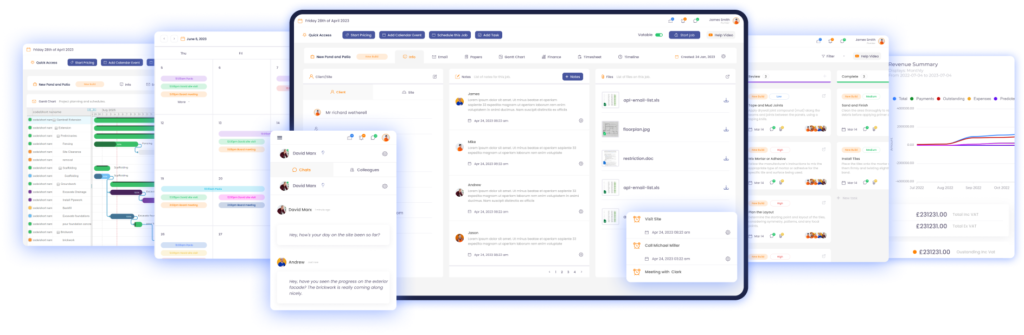
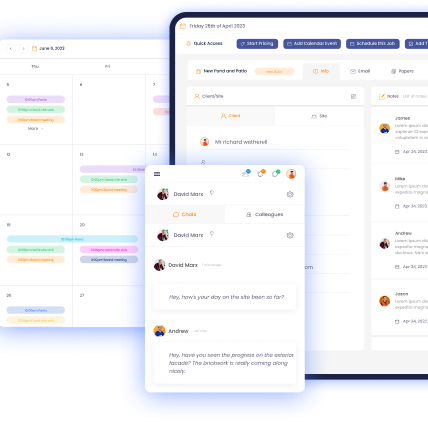
Unified platforms, also known as integrated business solutions or all-in-one systems, are comprehensive software solutions designed to bring together various business functions and processes under one digital roof. These platforms eliminate the need for separate, disconnected systems for functions like finance, human resources, customer relationship management (CRM), and more.
The essence of unified platforms lies in their ability to centralize data and processes. Imagine a scenario where a company’s financial data seamlessly connects with its sales figures, customer data, and inventory levels. This interconnectedness allows for real-time insights and efficient workflows.
Benefits of Unified Platforms
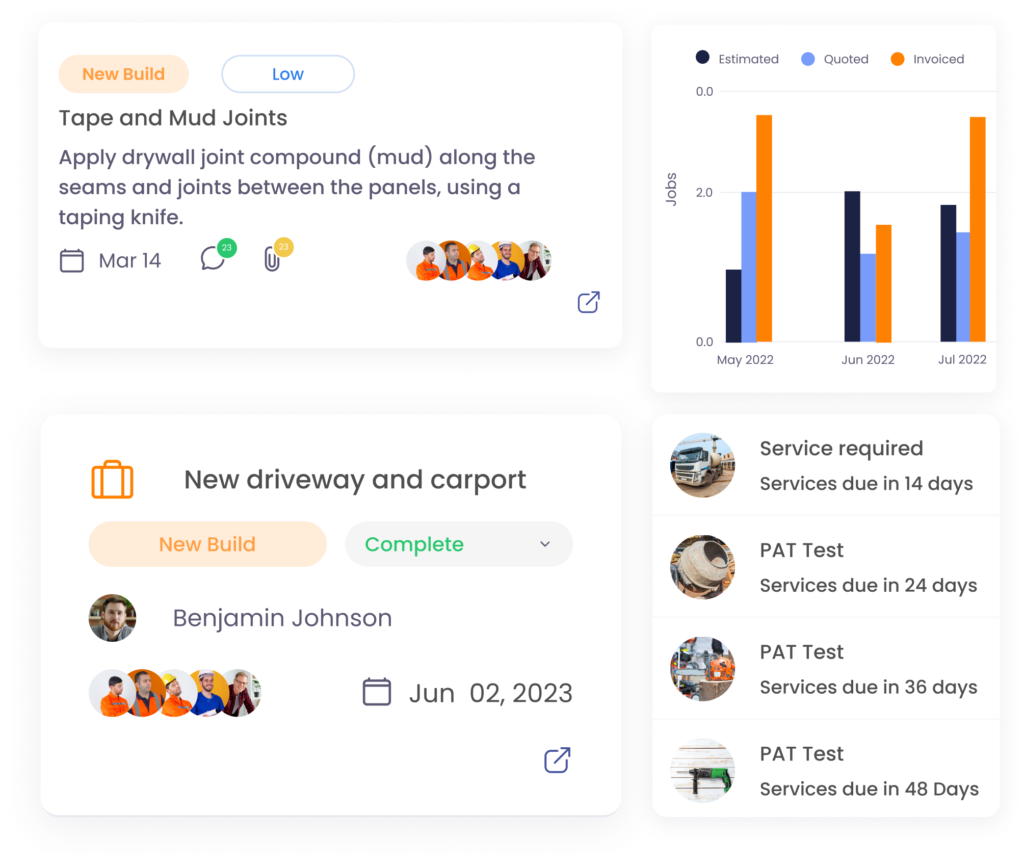
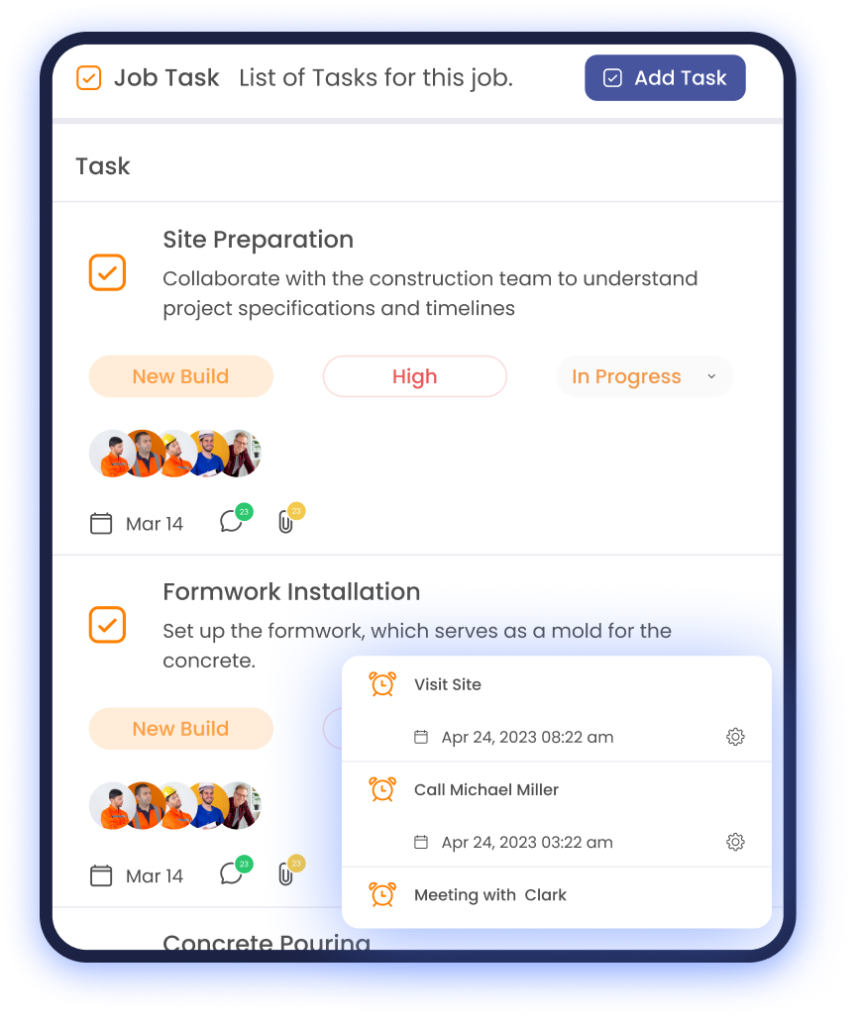
The adoption of unified platforms is driven by the numerous benefits they offer:
1. Improved Efficiency
Unified platforms eliminate data silos and reduce manual data entry. This streamlines operations, saving time and reducing the risk of errors. Employees can access the information they need quickly, leading to faster decision-making and smoother processes.
2. Cost Reduction
By consolidating multiple software applications into one platform, businesses can lower software licensing costs, reduce IT infrastructure complexity, and minimize training expenses. Long-term cost savings are a compelling reason for organizations to embrace unified platforms.
3. Enhanced Data Visibility
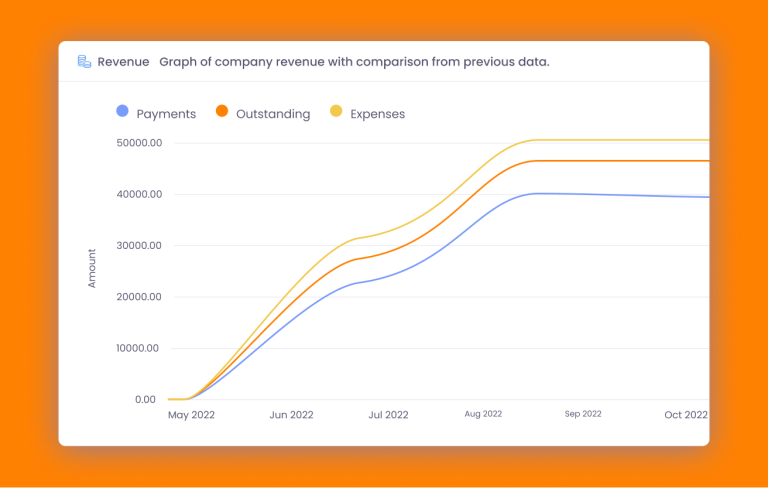
Unified platforms provide a holistic view of business data. Decision-makers can access real-time data dashboards and reports, enabling them to make informed choices. This visibility is crucial for adapting to changing market conditions and staying competitive.
4. Streamlined Collaboration
In today’s globalized and remote-working environment, collaboration is paramount. Unified platforms often come with built-in collaboration tools, fostering teamwork and communication among employees, regardless of their physical location.
Streamlining Business Operations
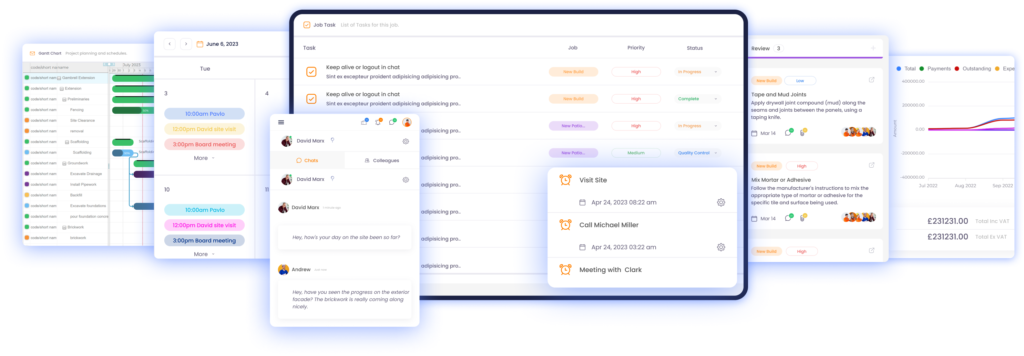
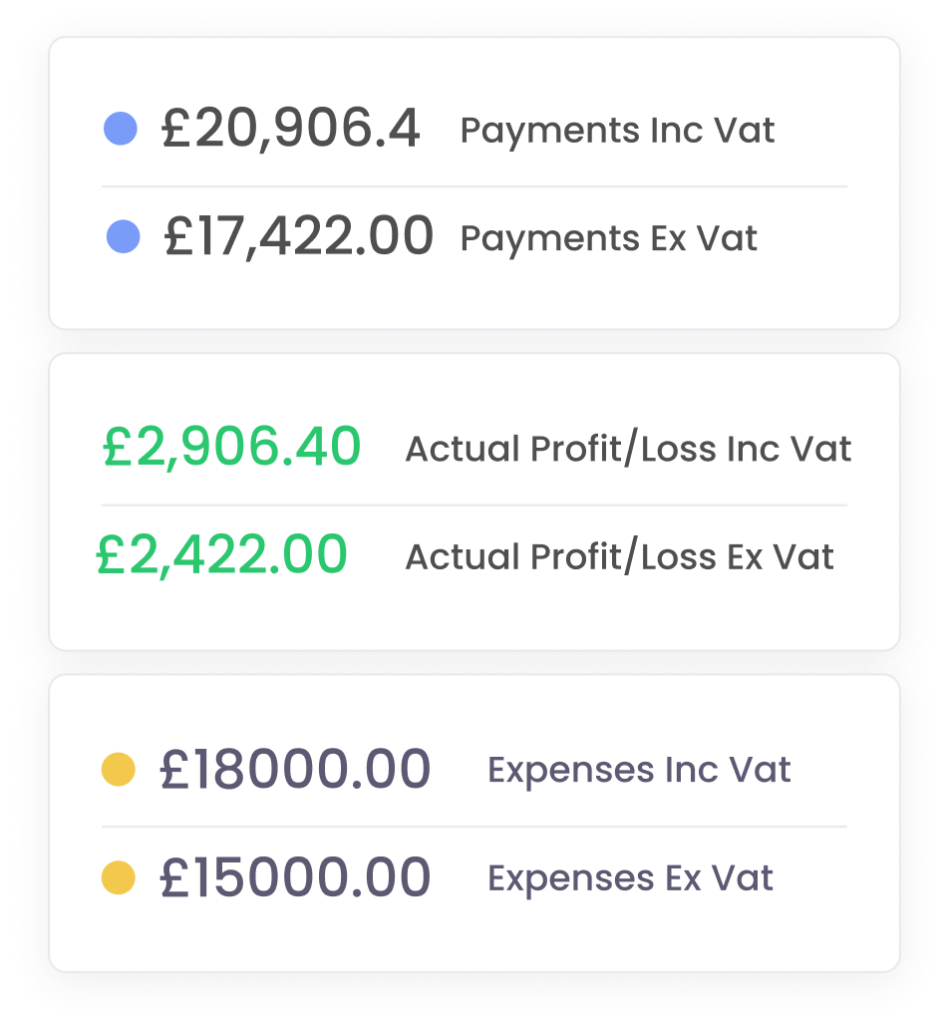
The impact of unified platforms on business operations is profound. These systems touch on virtually every aspect of an organization:
Finance and Accounting
Unified platforms enable seamless financial management. From invoicing and expense tracking to payroll and tax management, financial operations become more efficient and accurate.
Human Resources
HR departments benefit from centralized employee records, simplified recruitment processes, and integrated payroll and benefits administration.
Customer Relationship Management (CRM)
Unified platforms enhance CRM by providing a unified view of customer interactions. This leads to more personalized customer service and targeted marketing efforts.
Inventory and Supply Chain
Inventory management becomes more precise, reducing overstock and stockouts. Businesses can optimize their supply chain and reduce carrying costs.
Project Management
Unified platforms often include project management tools, allowing organizations to plan, execute, and monitor projects effectively.
Future Trends
As technology continues to evolve, unified platforms are set to incorporate even more advanced features and trends:
1. Artificial Intelligence (AI) and Automation
AI-driven automation will play a significant role in predictive analytics, process automation, and chatbot-driven customer support within unified platforms.
2. Blockchain Integration
Blockchain technology is finding its way into unified platforms, offering enhanced security, transparency, and traceability in various business processes.
3. Internet of Things (IoT) Integration
IoT devices will increasingly connect with unified platforms to provide real-time data on equipment, assets, and environmental conditions.
Implementing Unified Platforms
Implementing a unified platform requires careful planning:
- Assessment: Identify the specific needs and pain points within your organization that a unified platform can address.
- Vendor Selection: Choose a reputable vendor that aligns with your business requirements.
- Training: Ensure that employees are trained to use the platform effectively.
- Customization: Tailor the platform to suit your organization’s unique processes and workflows.
- Data Migration: Safely migrate data from existing systems to the unified platform.
- Testing: Thoroughly test the platform to identify and address any issues before full-scale implementation.
- Rollout: Gradually introduce the platform to employees to minimize disruptions.
Conclusion
Unified platforms are the driving force behind modern businesses seeking to optimize operations, reduce costs, and make data-driven decisions. Their ability to centralize data, streamline processes, and enhance collaboration positions them as an essential tool for success in today’s competitive landscape. As technology continues to advance, the power of unified platforms in modern business is only set to grow.