
Breaking Silos: How Integrated Platforms Foster Team Collaboration
In the ever-evolving landscape of the modern workplace, effective collaboration has become a cornerstone of success for businesses across industries. However, many organizations grapple with a significant obstacle to collaboration known as “silos.” These silos, or departmental barriers that hinder the flow of information and collaboration, can be detrimental to productivity, innovation, and overall success. In this article, we explore the concept of silos and discuss how integrated platforms can help break them down, fostering improved team collaboration.
Understanding Silos
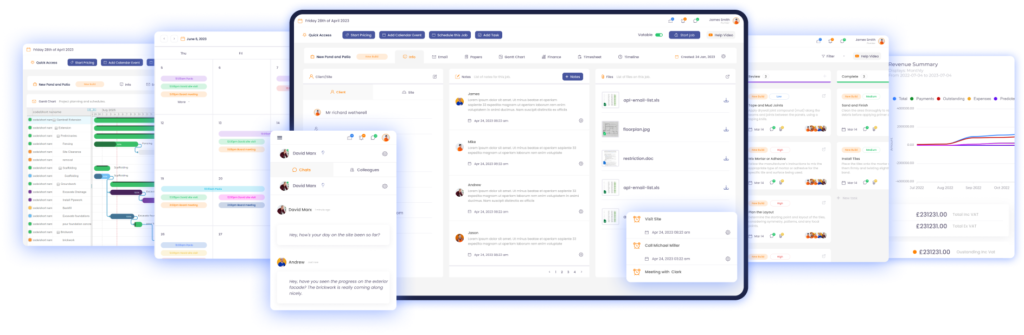
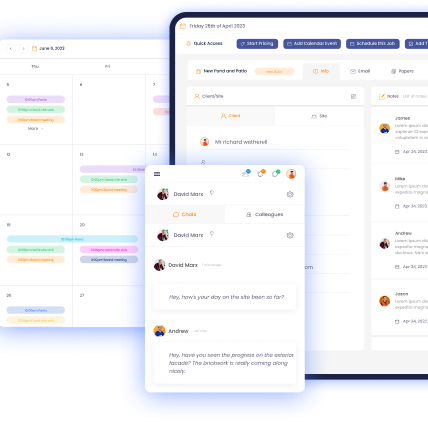
Silos within organizations are typically characterized by isolated departments or teams that operate independently, with little interaction or communication with other parts of the organization. Signs of silos can include duplication of efforts, lack of transparency, limited information sharing, and reduced overall efficiency. These barriers can result in missed opportunities, slower decision-making processes, and a less cohesive work environment.
The Role of Integrated Platforms
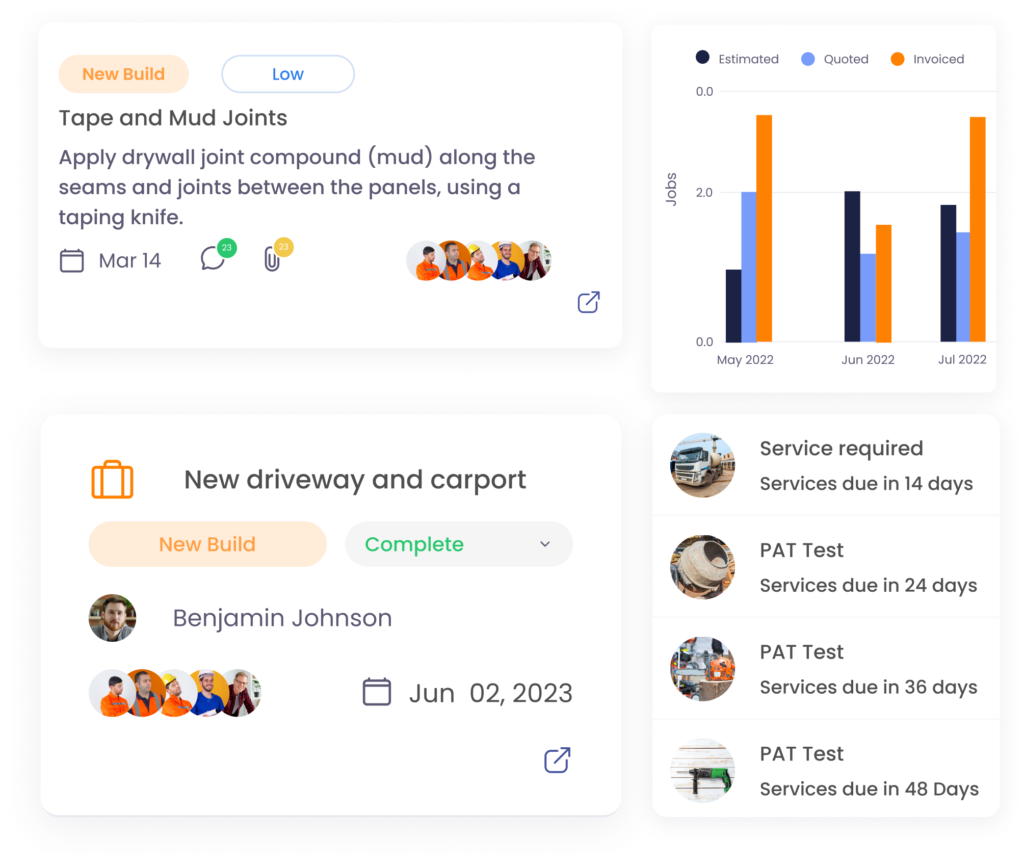
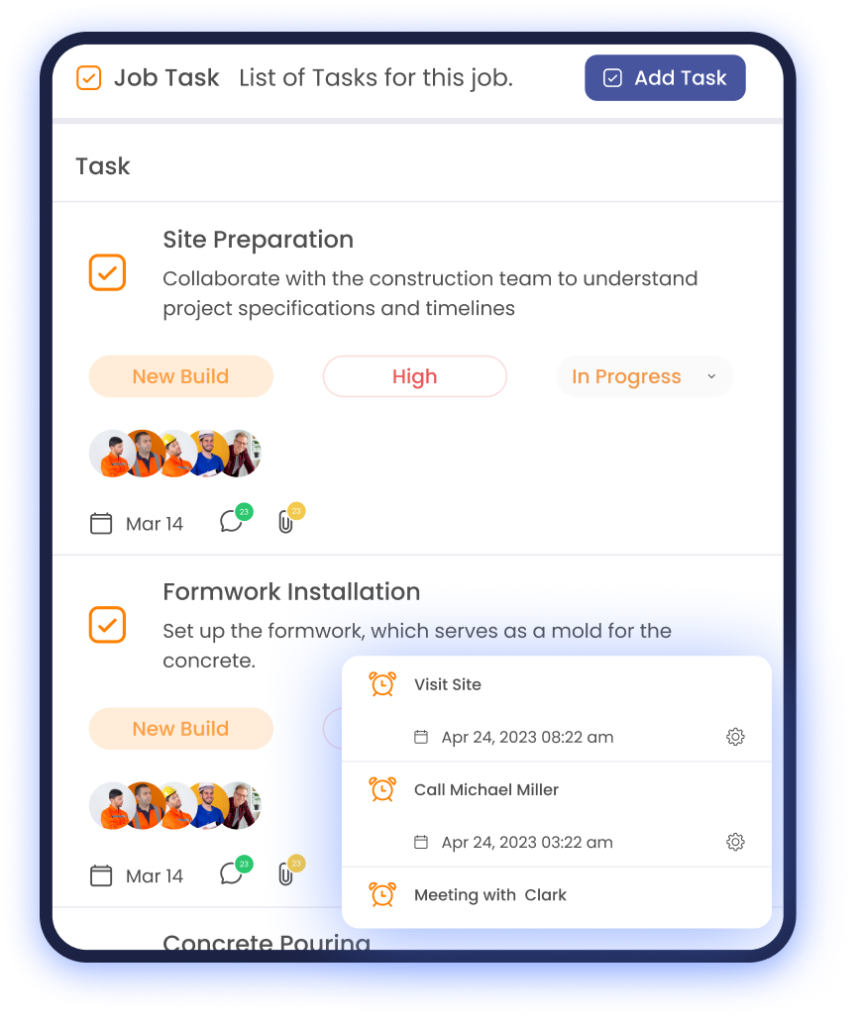
Integrated platforms or tools are solutions designed to connect various aspects of an organization’s operations, allowing for seamless communication, data sharing, and access to information in real-time. These platforms have become essential in modern business environments, offering numerous benefits, such as:
- Improved Communication: Integrated platforms provide a central hub for communication, making it easier for teams to collaborate, share updates, and exchange ideas.
- Data Sharing: They facilitate the sharing of critical data and information across departments, ensuring that everyone has access to the latest insights.
- Real-time Access: Team members can access data and resources instantly, enabling faster decision-making and problem-solving.
Breaking Down Silos with Integration
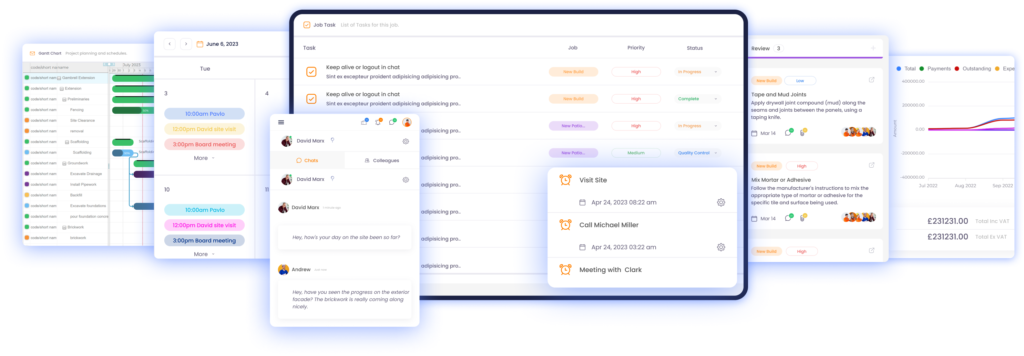
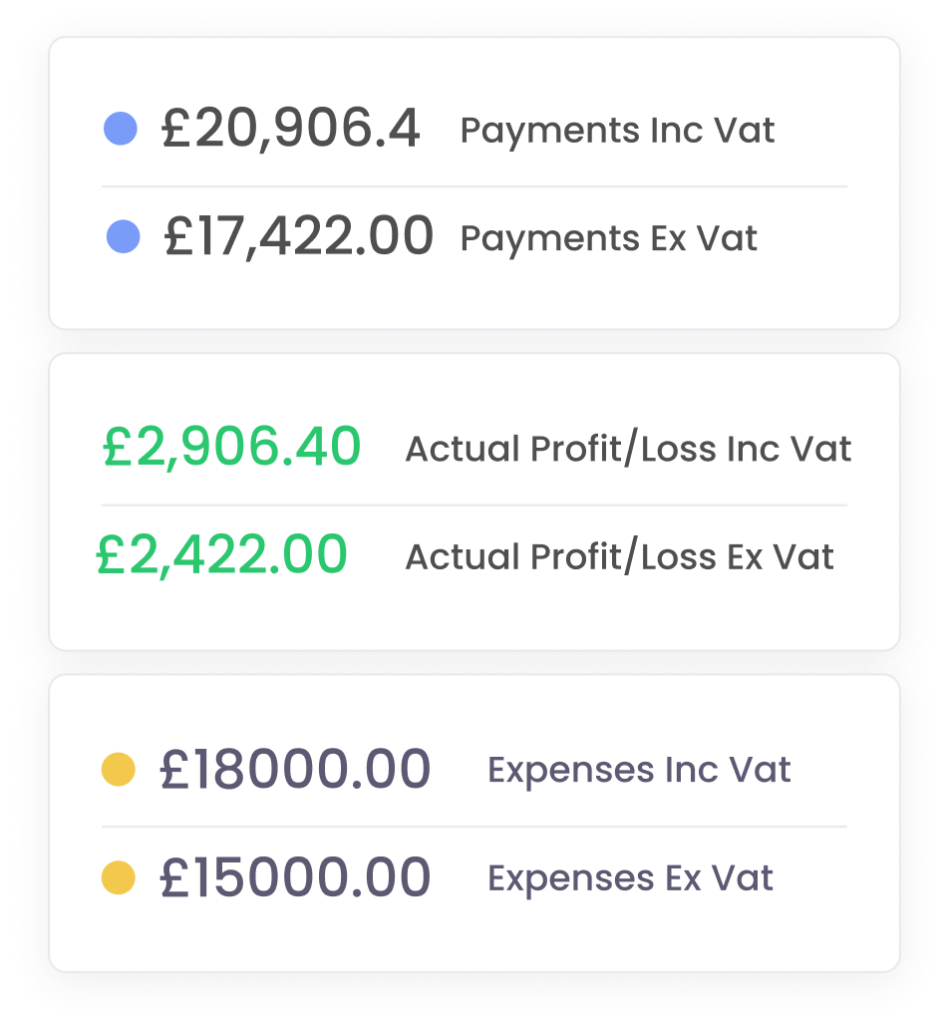
Integrated platforms play a pivotal role in breaking down silos within organizations. By connecting previously isolated departments, they promote:
- Cross-Functional Collaboration: Integrated platforms encourage different departments to work together on projects and initiatives, leading to a broader range of perspectives and ideas.
- Efficient Information Flow: With data readily available to all relevant parties, there is less room for miscommunication or missed opportunities.
- Streamlined Processes: Integration can help automate workflows, reducing manual tasks and eliminating bottlenecks.
Strategies for Implementing Integration
Implementing integrated platforms requires careful planning and execution. Here are some strategies for a successful integration:
- Assess Current Systems: Begin by evaluating existing systems and identifying areas where integration is most needed.
- Choose the Right Tools: Select integrated platforms that align with your organization’s goals and needs.
- Create an Integration Plan: Develop a clear integration plan that outlines the steps, timeline, and responsible parties.
- Change Management: Address resistance to change by providing adequate training and support to employees.
Measuring Success and ROI
To gauge the success of your integration efforts, consider measuring key performance indicators (KPIs) related to collaboration, such as:
- Improved Communication: Assess how communication has improved within the organization. Look for increased interaction between departments and teams.
- Faster Decision-Making: Measure the time it takes to make decisions and implement changes. Integration should lead to quicker processes.
- Reduced Duplication: Evaluate whether integration has reduced duplicate efforts and streamlined workflows.
Calculating the return on investment (ROI) of integrated platforms involves comparing the costs of implementation with the benefits gained, such as increased productivity, reduced errors, and improved customer satisfaction.
Conclusion
In today’s fast-paced business world, the ability to collaborate effectively is paramount. Silos can be a significant hindrance to achieving this goal, but integrated platforms offer a solution to break down these barriers. By fostering cross-functional collaboration, streamlining processes, and providing real-time access to information, integrated platforms empower organizations to work more cohesively and efficiently. Embrace integration as a means to improve team collaboration and drive success in your organization.