The Power of All-in-One: Why Integration is the Future
In today’s fast-paced business world, staying competitive requires navigating a complex landscape of processes, data, and technology. Companies of all sizes are constantly seeking ways to streamline operations, boost efficiency, and gain a competitive edge. One solution that has emerged as a game-changer is integration.
Section 1: The Current Business Landscape:
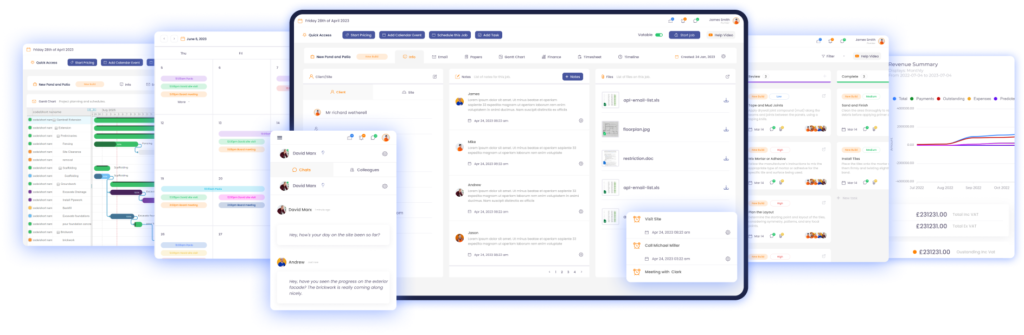
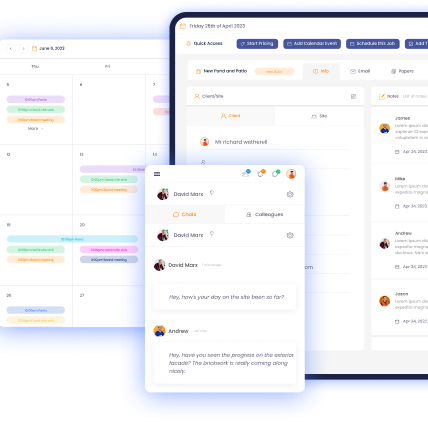
Businesses today operate in an environment characterized by rapid change, increased competition, and evolving customer expectations. To succeed, organizations often employ an array of specialized software tools to manage various aspects of their operations. From customer relationship management (CRM) systems to enterprise resource planning (ERP) solutions and human resources (HR) software, the technology stack can quickly become fragmented.
The consequence of this fragmentation is often inefficiency, data silos, and a lack of synergy between different departments. This is where integration steps in as a solution.
Section 2: What Is Integration?
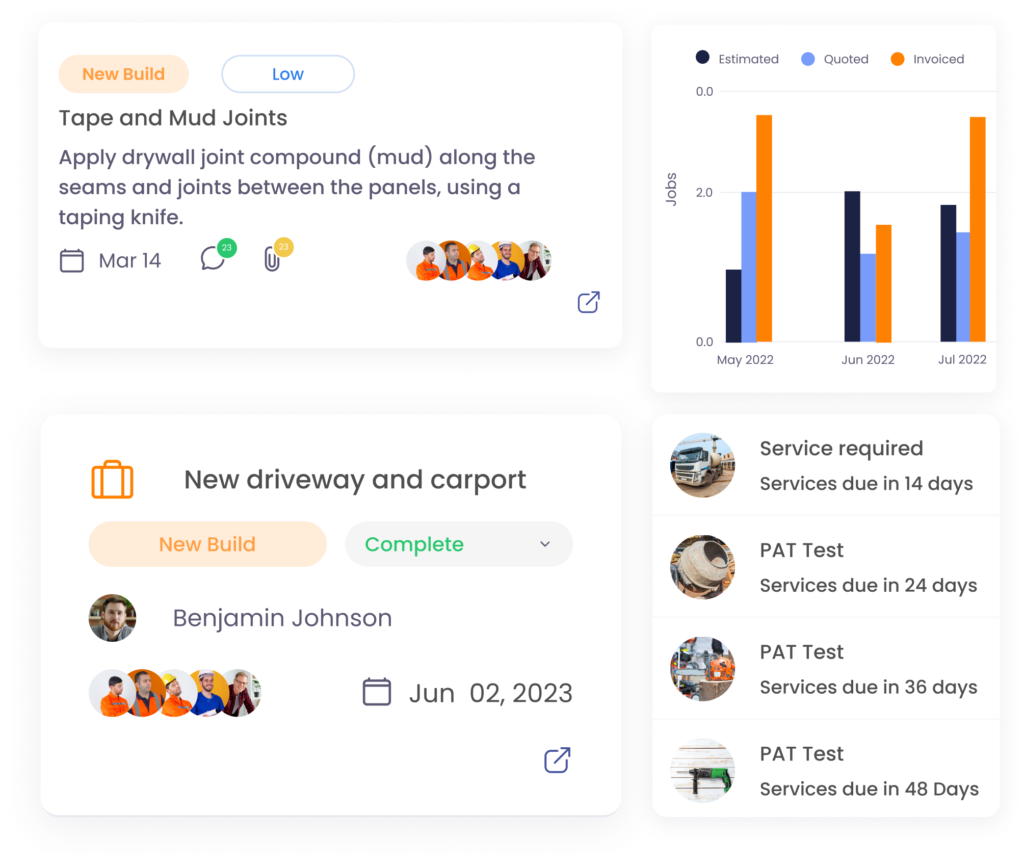
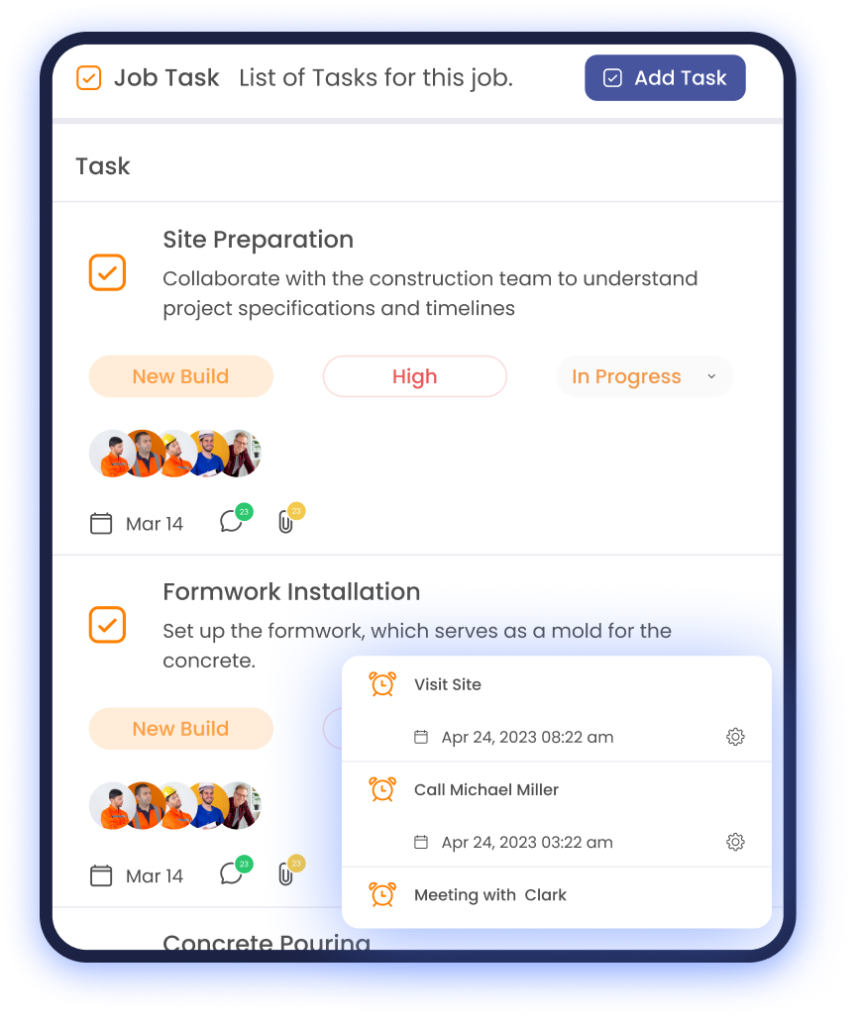
Integration, in the context of business software, refers to the process of connecting and coordinating various software systems and applications. It enables these systems to work together seamlessly, sharing data and functionality. Integration can be achieved manually, but modern businesses are increasingly turning to automated integration solutions to streamline operations further.
Section 3: Benefits of Integration:
The benefits of integrating business software systems are numerous and impactful:
- Enhanced Data Accuracy and Consistency: Integrated systems reduce the risk of data errors and inconsistencies, ensuring that information is up-to-date and accurate across the organization.
- Improved Efficiency and Productivity: Integration automates data transfer and eliminates the need for manual data entry, freeing up employees to focus on higher-value tasks.
- Streamlined Communication and Collaboration: Integrated systems facilitate real-time communication and collaboration between departments, leading to faster decision-making and problem-solving.
- Real-time Insights: Integration provides access to real-time data and analytics, empowering businesses to make data-driven decisions promptly.
- Cost Savings: By eliminating redundant tasks and reducing the need for manual intervention, integration can lead to significant cost savings.
Section 4: Real-World Examples:
Let’s take a look at a few real-world examples of companies that have reaped the benefits of integration:
Company A – Sales and Marketing Integration: Company A integrated its CRM system with its marketing automation platform. As a result, sales and marketing teams gained a unified view of customer interactions. This alignment led to a 20% increase in lead conversion rates.
Company B – Finance and ERP Integration: Company B integrated its finance and ERP systems, streamlining the procurement-to-payment process. This not only reduced processing times but also resulted in a 15% reduction in operational costs.
Section 5: Key Considerations for Integration:
Before embarking on an integration journey, there are key considerations to keep in mind:
- Choosing the Right Software Solutions: Select software that aligns with your business goals and can be easily integrated.
- Data Security and Privacy: Ensure that data security and privacy protocols are in place to protect sensitive information.
- Selecting a Reliable Integration Platform: Choose an integration platform that suits your needs, offers scalability, and provides support.
- Change Management: Implement change management strategies to help employees adapt to new processes and systems.
Section 6: The Future of Integration:
The future of integration is promising. Emerging trends like Artificial Intelligence (AI) and the Internet of Things (IoT) are poised to transform how businesses integrate and utilize their data. Integration will become even more accessible, powerful, and essential for businesses looking to thrive in the digital age.
Conclusion:
Integration is not merely a buzzword; it’s a strategic move that can significantly impact a company’s efficiency and competitiveness. As businesses continue to evolve, those that embrace integration will be better positioned to adapt, innovate, and succeed in the ever-changing landscape of modern business.