Strategies for Effective Asset Lifecycle Management
In today’s fast-paced business landscape, organizations rely heavily on assets to drive productivity and maintain a competitive edge. These assets, which can range from machinery and vehicles to IT infrastructure, represent a significant investment. To maximize the value of these investments and ensure operational efficiency, effective asset lifecycle management is essential. In this article, we will explore strategies that can help businesses master the art of asset lifecycle management.
Understanding Asset Lifecycle Management
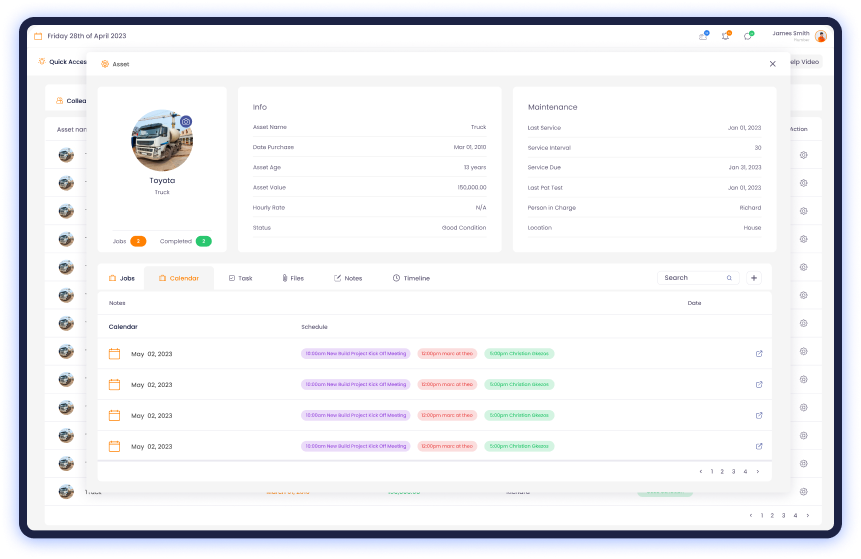
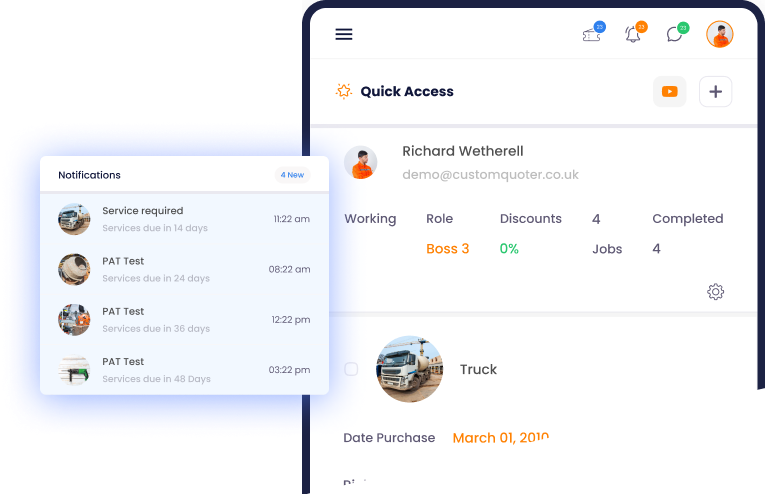
Asset lifecycle management is a comprehensive approach that involves the strategic planning, acquisition, utilization, maintenance, and eventual disposal or replacement of assets. This process extends throughout an asset’s entire lifecycle, from its initial procurement to its retirement. Let’s delve into the strategies that can help organizations navigate this complex journey.
Benefits of Effective Asset Lifecycle Management
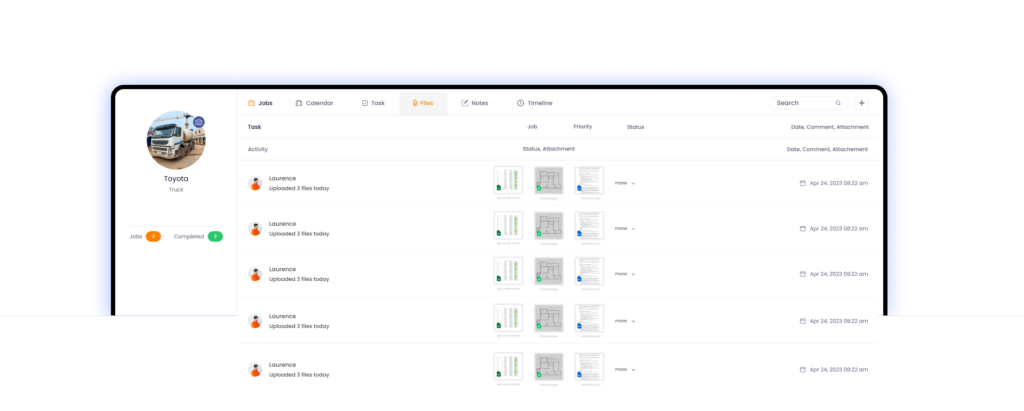
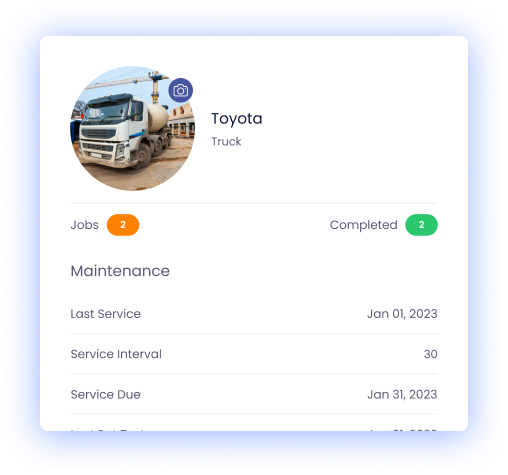
Before we dive into the strategies, it’s important to understand why effective asset lifecycle management matters. Here are some key benefits:
1. Improved Efficiency
Efficiently managed assets operate at their peak performance levels, resulting in increased productivity and reduced downtime.
2. Cost Savings
Proactive maintenance and optimized asset utilization can significantly reduce operational and maintenance costs.
3. Enhanced Asset Performance
Assets that are well-maintained and upgraded as needed tend to have longer lifespans and better performance.
4. Strategic Decision-Making
Effective asset management provides data-driven insights that aid in making informed decisions about asset acquisitions and retirements.
Strategies for Effective Asset Lifecycle Management
- Asset Acquisition and Planning:
- Start with a clear plan that aligns asset acquisitions with business goals.
- Consider factors like cost, quality, and compatibility with existing assets.
- Avoid hasty decisions and impulse purchases by planning for future asset needs.
- Optimizing Asset Utilization:
- Regularly assess asset utilization to identify inefficiencies.
- Implement preventive maintenance schedules to ensure assets are always in peak condition.
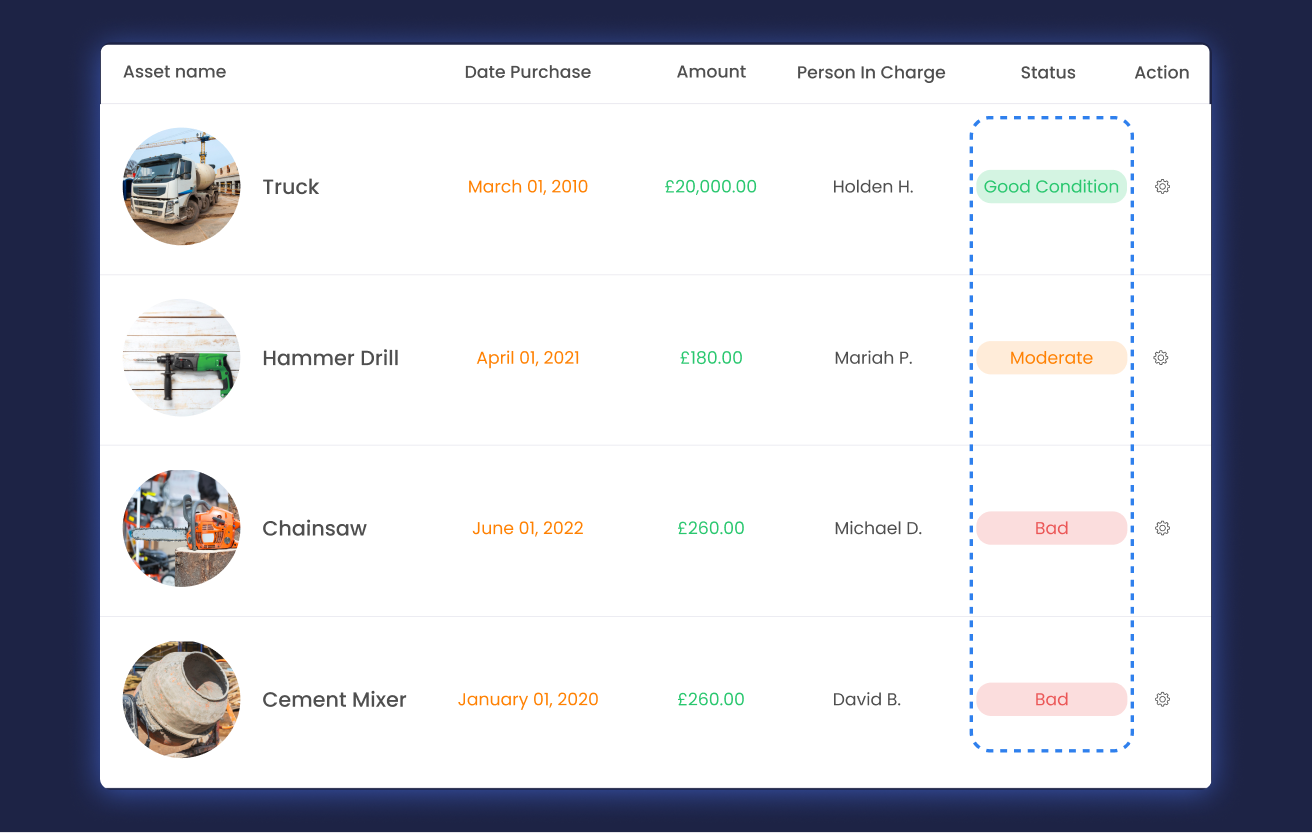
- Utilize asset tracking systems to monitor usage and performance.
- Maintenance and Upgrades:
- Prioritize routine maintenance to extend asset lifecycles.
- Plan for upgrades or replacements in advance to avoid sudden, costly surprises.
- Invest in technologies like predictive maintenance tools for early issue detection.
- Cost Management:
- Develop a detailed budget that covers all aspects of asset management.
- Track expenses, including maintenance costs, upgrades, and personnel, to identify potential cost-saving opportunities.
- Regularly review return on investment (ROI) to ensure assets are delivering value.
- Technological Solutions:
- Embrace technology to streamline asset management.
- Consider the use of IoT sensors for real-time asset monitoring and data collection.
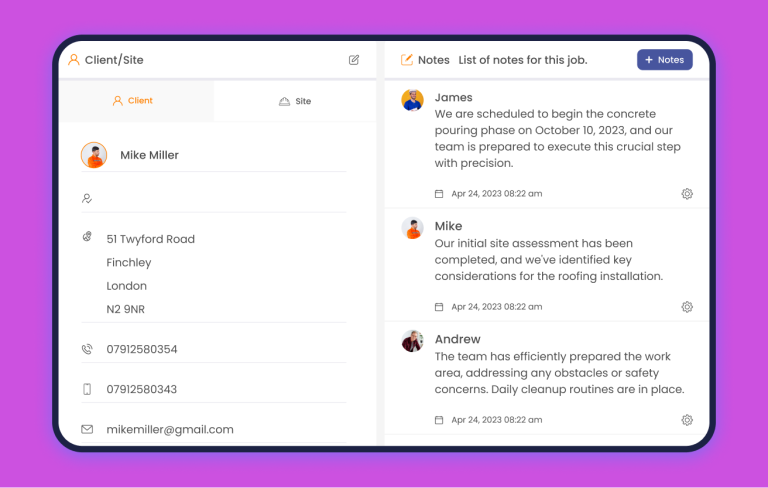
- Implement asset management software to centralize asset information and streamline processes.
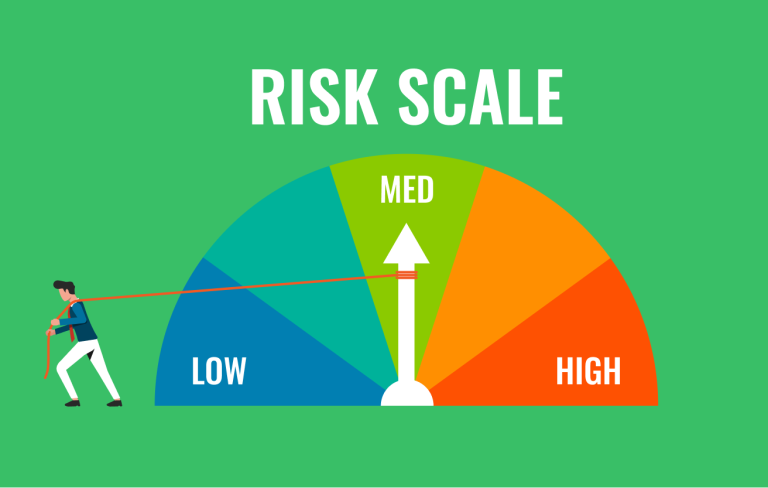
- Risk Mitigation:
- Identify and assess risks associated with asset management.
- Ensure compliance with safety and environmental regulations.
- Develop contingency plans for potential asset-related emergencies.
Best Practices
Incorporating these best practices into your asset management strategy can yield significant benefits:
- Involve cross-functional teams in asset management decisions to gain diverse perspectives.
- Conduct regular performance evaluations and adjust strategies as needed.
- Stay informed about industry best practices and emerging technologies to remain competitive.
Conclusion
Effective asset lifecycle management is not merely a cost-saving measure; it’s a strategic approach that can enhance efficiency, boost performance, and drive business success. By implementing these strategies and best practices, organizations can ensure that their assets remain valuable contributors to their bottom line throughout their entire lifecycle.
Remember that asset management is an ongoing process that requires adaptability and a commitment to continuous improvement. With the right strategies in place, businesses can master the art of asset lifecycle management and achieve sustainable growth. See how CQ is helping business with effective asset management here.