Transformation of a Service-based Business with Integrated Software
In today’s fast-paced and digital-driven business landscape, service-based companies face numerous challenges and opportunities. Operational efficiency, customer satisfaction, and staying competitive are top priorities. To address these, many service businesses are turning to integrated software solutions. In this article, we explore how integrated software can transform service-based businesses, driving enhanced efficiency, improved customer experiences, and overall growth.
Understanding the Need for Transformation
Service-based businesses, which deliver intangible products or expertise, play a crucial role in the economy. They encompass industries such as consulting, healthcare, finance, and hospitality. While their services may be intangible, the challenges they face are very real. These challenges include increased competition, changing customer expectations, and the need for seamless operations.
What is Integrated Software?
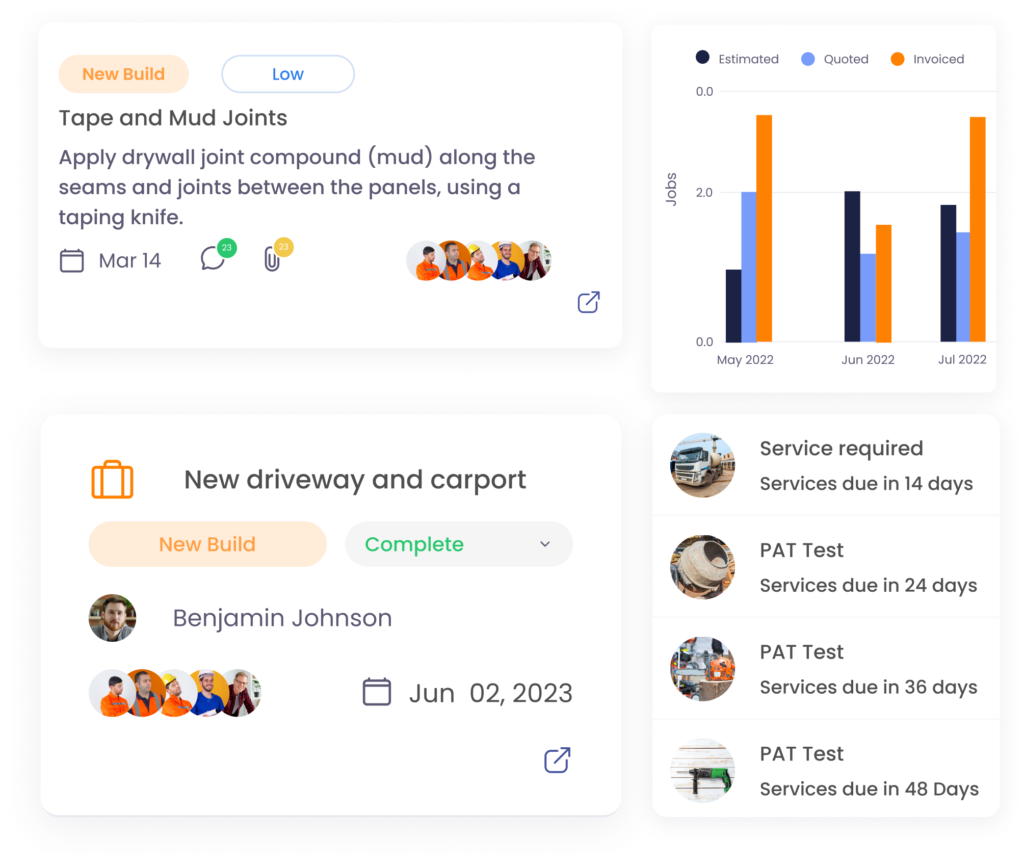
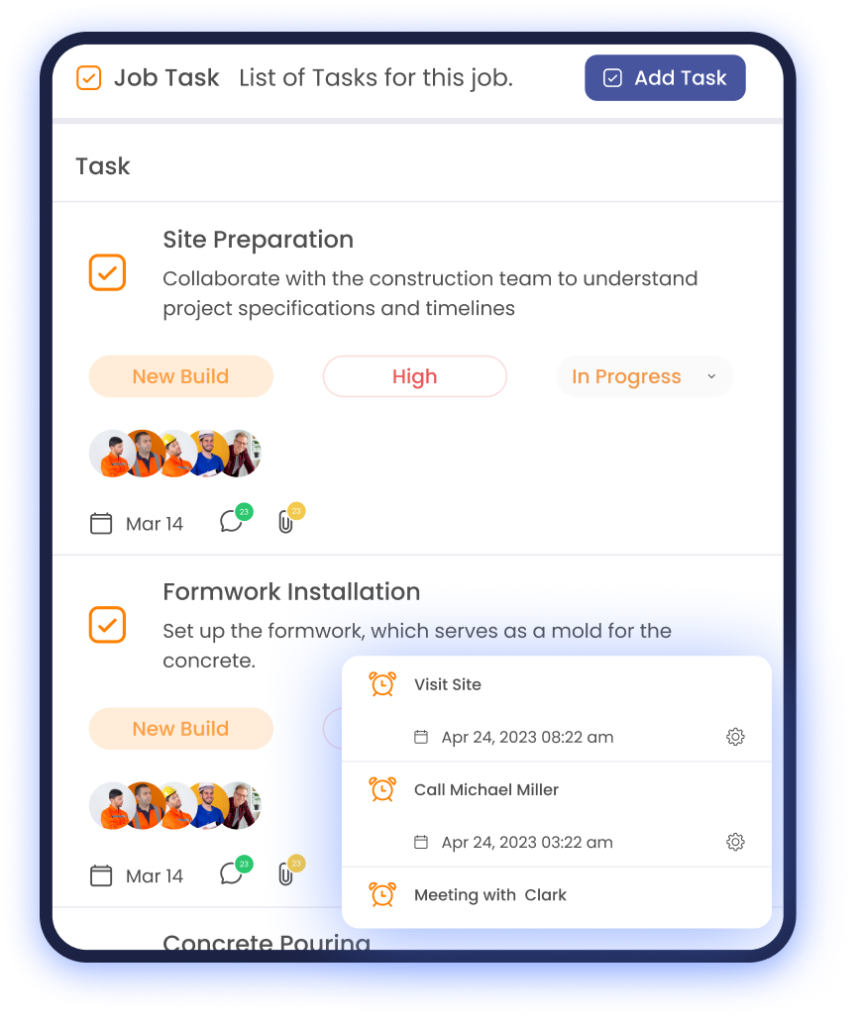
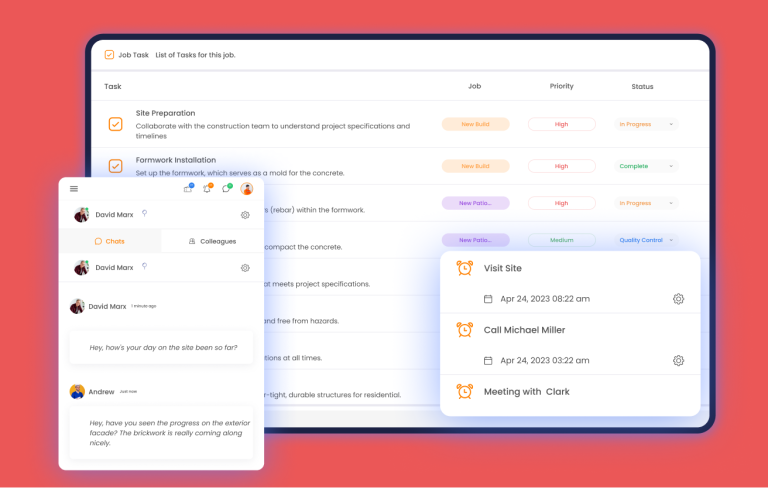
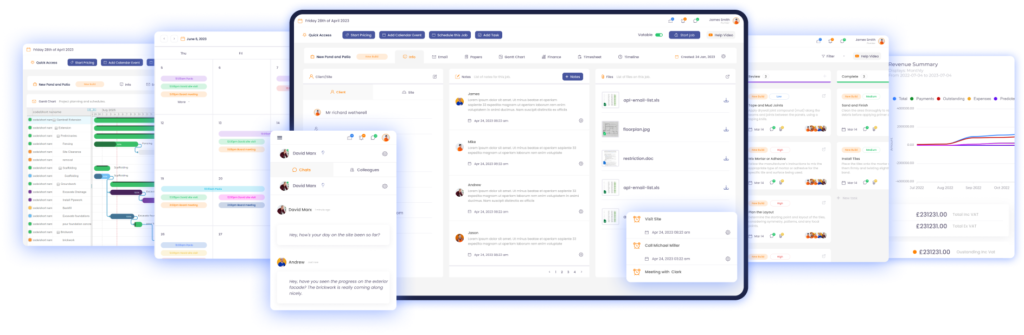
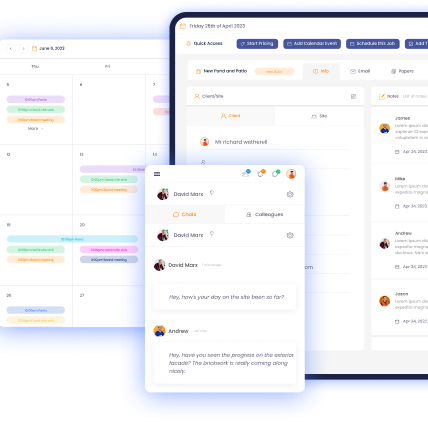
Integrated software refers to a suite of applications and tools that work together seamlessly to streamline various business processes. These solutions often include components like customer relationship management (CRM), enterprise resource planning (ERP), project management, and more. The key benefit of integrated software for project management is its ability to centralize data and automate workflows across different departments.
Benefits of Integrated Software for Service Businesses
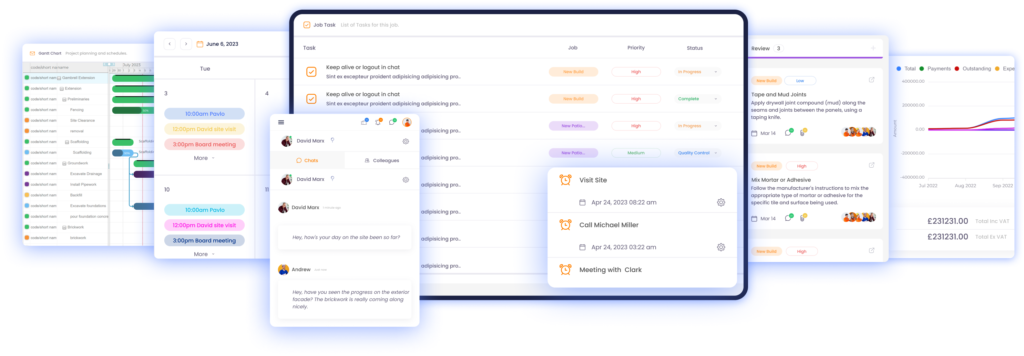
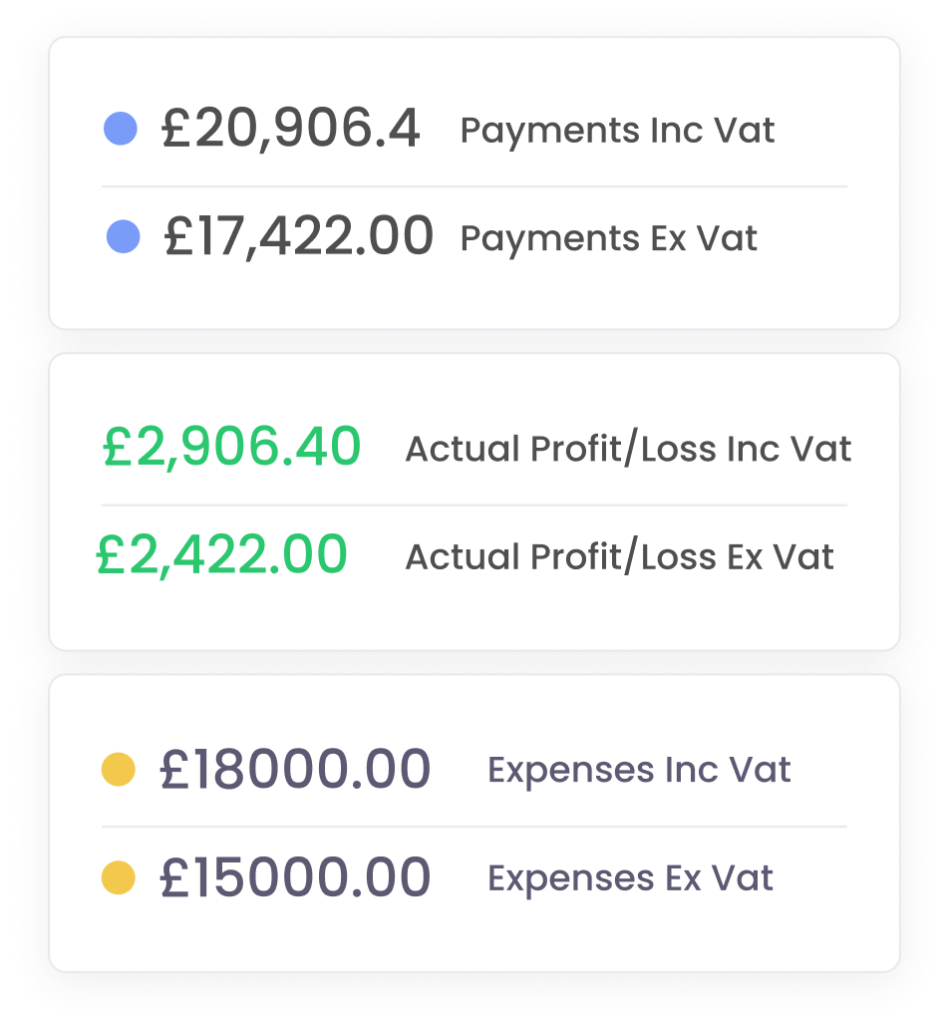
- Streamlined Operations: Integrated software eliminates data silos and reduces manual data entry, enabling teams to work more efficiently. This leads to faster service delivery and reduced administrative overhead.
- Enhanced Customer Experiences: With a 360-degree view of customer interactions, service businesses can personalize their services, address customer needs proactively, and build lasting relationships.
- Data-Driven Decision Making: Integrated software provides access to real-time data and analytics, empowering businesses to make informed decisions, identify trends, and adapt to market changes.
Challenges and Considerations
While integrated software offers significant advantages, its implementation can be challenging. Businesses must carefully plan their software selection and integration strategies. Common challenges include data migration, employee training, and ensuring software aligns with specific business needs.
Real-World Success Stories
Let’s delve into a couple of real-world examples of service-based businesses that successfully transformed with integrated software:
- Healthcare Clinic: A multi-location healthcare clinic adopted integrated software to centralize patient records, appointments, and billing. The result was reduced administrative workload, faster patient service, and improved patient satisfaction.
- Consulting Firm: A consulting firm integrated project management and CRM software. This allowed them to efficiently manage client projects, monitor progress, and maintain strong client relationships. The firm experienced a 20% increase in project completion rates.
Implementing Integrated Software: A Step-by-Step Guide
- Assessment: Begin by assessing your current processes and identifying areas where integration can yield the most significant benefits.
- Selection: Carefully choose integrated software that aligns with your business goals and integrates with your existing tools.
- Migration and Integration: Plan and execute data migration and software integration carefully, ensuring minimal disruption to daily operations.
- Training: Train your employees on using the new software effectively and provide ongoing support.
- Monitoring and Improvement: Continuously monitor key performance indicators (KPIs) and seek opportunities for improvement.
Future Trends and Outlook
The future of integrated software for service businesses looks promising. Emerging technologies like artificial intelligence (AI) and machine learning are poised to further enhance automation and data analysis capabilities. Additionally, cloud-based solutions offer scalability and accessibility from anywhere.
Conclusion
Integrated software has become an indispensable tool for service-based businesses looking to thrive in the digital age. By streamlining operations, improving customer experiences, and enabling data-driven decision-making, integrated software solutions empower service businesses to transform and stay competitive. See how CQ is leading the way in creating a fully integrated business management software that allows all departments to communicate and the ability to manage every area of business whilst providing unmatched levels of business data to make informed decisions holistically and project wise.