Case Study: A Business Transformation with Integrated Software
In today’s rapidly evolving business landscape, staying competitive and efficient is vital for any company’s success. Businesses often face operational challenges that require innovative solutions. One such solution that has been transforming companies across various industries is integrated software. In this case study, we’ll explore how a company achieved a remarkable transformation by adopting integrated software solutions.
Introduction to the Company
Our case study focuses on XYZ Corporation, a mid-sized manufacturing company with a diverse product line. XYZ had been in business for over two decades and had established a strong presence in their industry. However, they were facing some significant challenges.
Challenges and Pain Points
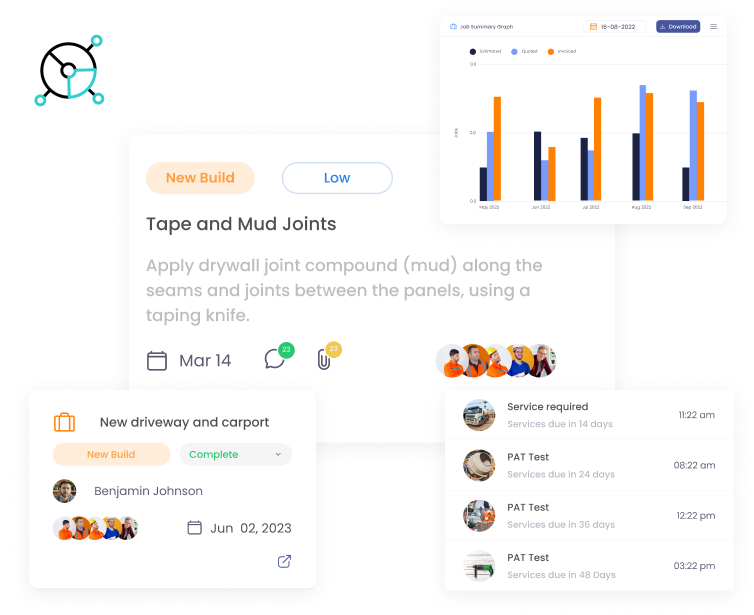
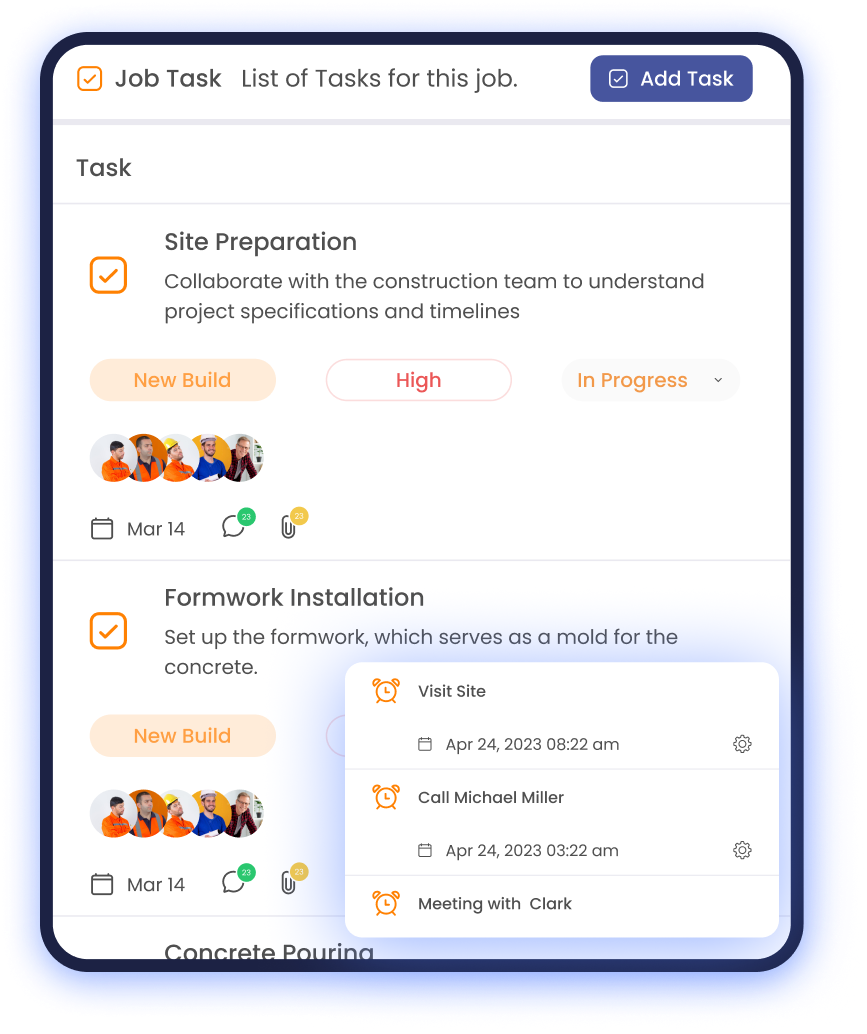
Before implementing integrated software, XYZ Corporation encountered several challenges:
- Data Silos: The company’s data was scattered across different systems, making it challenging to get a comprehensive view of operations.
- Inefficient Processes: Manual data entry and disjointed workflows resulted in operational inefficiencies and errors.
- Lack of Real-time Information: Decision-makers didn’t have access to real-time data, making it difficult to respond quickly to market changes.
- Growing Pains: As the company expanded, managing inventory, orders, and finances became increasingly complex.
The Integrated Software Solution
Recognizing the need for change, XYZ Corporation embarked on a journey to implement integrated software solutions that would streamline their operations. They selected an Enterprise Resource Planning (ERP) system that encompassed:
- Inventory Management: The new software allowed for real-time tracking of inventory levels, reducing stockouts and overstocking.
- Order Processing: Orders were automatically processed and updated in real-time, eliminating manual errors.
- Financial Management: Integrated financial tools provided insights into cash flow, budgeting, and financial forecasting.
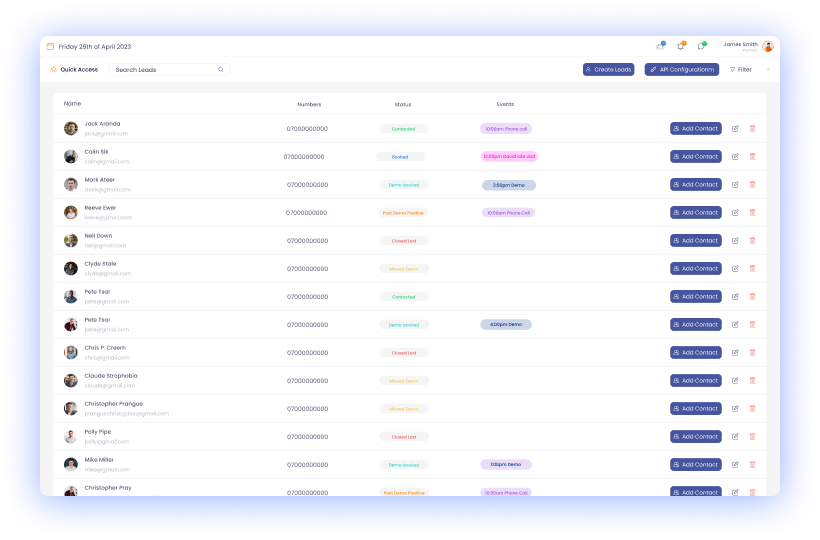
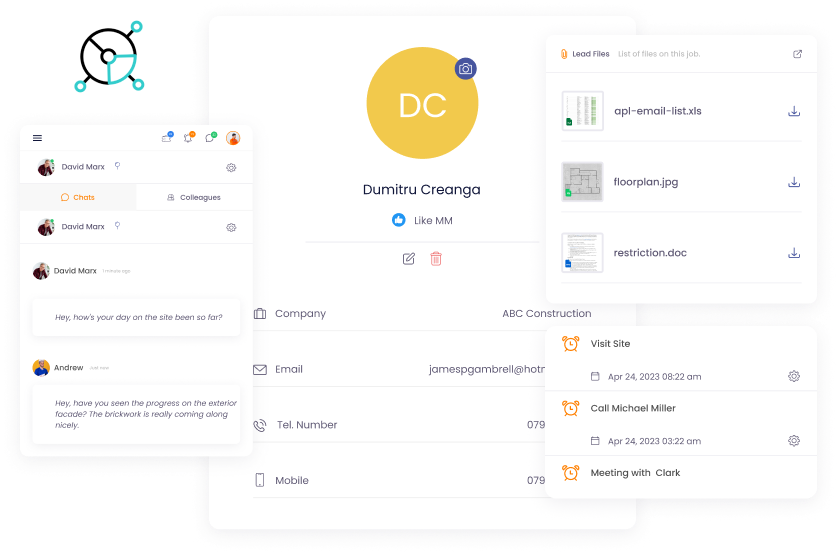
- Customer Relationship Management (CRM): The CRM module enabled XYZ to manage customer interactions and sales more effectively using integrated lead management..
Implementation Process
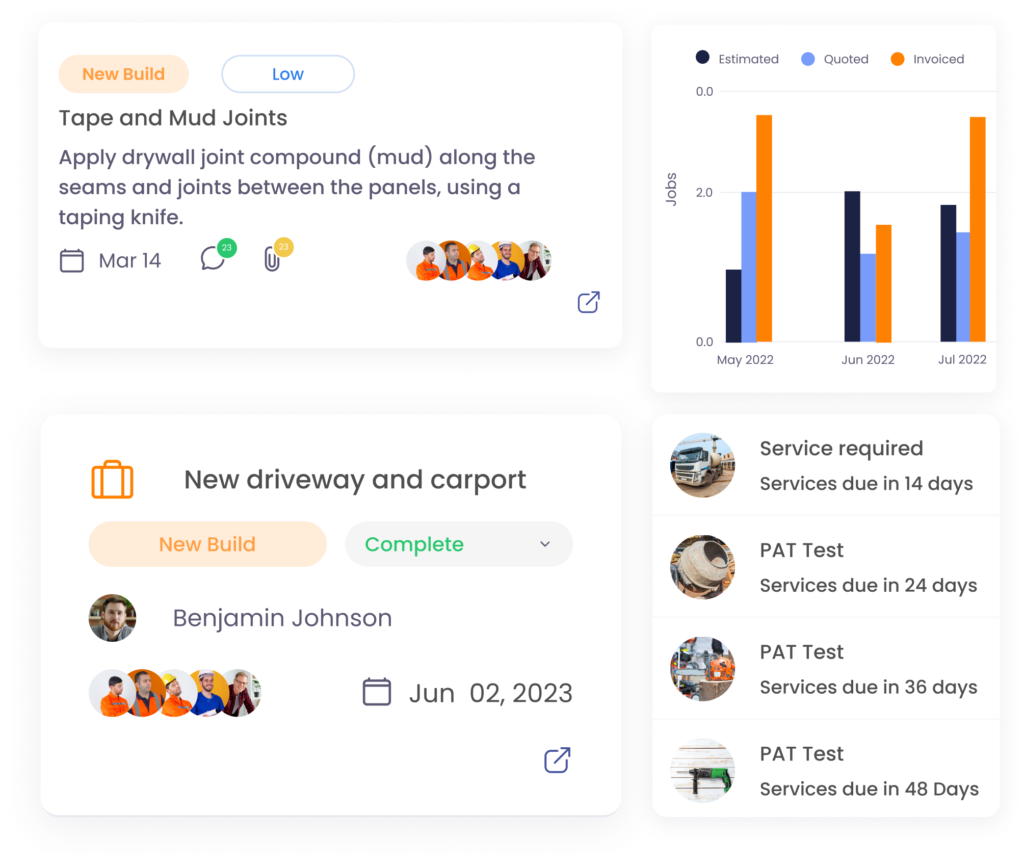
Implementing the integrated software was a significant undertaking for XYZ Corporation. The process involved:
- Assessment: Identifying key pain points and challenges in their existing systems.
- Selection: Careful evaluation and selection of the appropriate software solution.
- Customization: Tailoring the software to fit the company’s specific needs.
- Training: Providing comprehensive training to employees to ensure smooth adoption.
Benefits and Outcomes
The results of this transformation were nothing short of remarkable:
- Improved Efficiency: Automated processes reduced manual labor, leading to a 30% increase in operational efficiency.
- Real-time Data: Decision-makers had access to real-time data, enabling faster and more informed decisions.
- Cost Savings: Reduced errors and optimized inventory management resulted in substantial cost savings.
- Customer Satisfaction: With streamlined processes, XYZ Corporation improved customer service and response times.
Measurable Results
The transformation’s success was evident in the data:
- Inventory holding costs decreased by 25%.
- Order fulfillment time was reduced by 40%.
- Revenue increased by 20% in the first year.
Testimonials
John Smith, CEO of XYZ Corporation, expressed his satisfaction: “The integrated software transformed our company. We’re more agile, more competitive, and better equipped to serve our customers.”
Lessons Learned
XYZ Corporation’s journey offers valuable insights:
- Plan Thoroughly: Invest time in understanding your business processes and needs before selecting integrated software.
- Employee Involvement: Ensure all employees are adequately trained and engaged throughout the process.
Conclusion
XYZ Corporation’s case study is a testament to the transformative power of integrated software solutions. By addressing their pain points and embracing change, they achieved remarkable improvements in efficiency, cost savings, and customer satisfaction. This case study serves as a compelling example of how integrated business software solutions can drive business success in today’s dynamic market.