Best Practices in Project Management for Service Businesses
## Project management problems common to service businesses
Projects for service businesses fail for predictable reasons: unclear scope, poor scheduling, missing materials, and limited visibility into progress. These issues compound quickly — jobs run late, costs increase, and client satisfaction falls. The solution is not more meetings; it is disciplined processes supported by the right systems.
Across hundreds of demonstrations with growing service businesses, we consistently see the same patterns and the same fixes work.
## Principles to stop projects going off-track
Apply these core principles to reduce delays and overruns.
– Define scope before work starts. Ambiguity fuels scope creep and dispute. Capture deliverables, exclusions and acceptance criteria in one place.
– Plan with actionable tasks, not vague milestones. Break jobs into discrete, assignable tasks with durations and dependencies.
– Assign clear accountability. Every task needs an owner who is accountable for delivery and escalation.
– Manage materials and labour together. Shortages are a schedule problem as much as a procurement problem.
– Use change control. Capture variations formally and tie them to budgets and approvals.
## Operational visibility is not optional
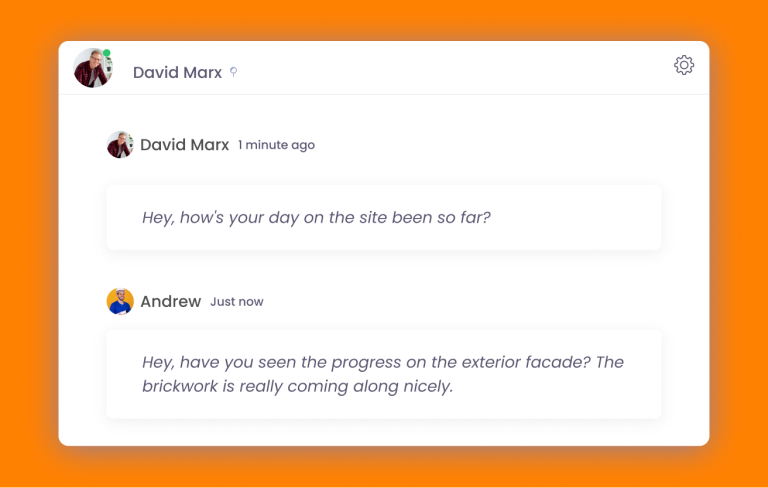
You cannot manage what you cannot see. Connected workflows create operational visibility — that single sentence explains why systems matter.
Visibility means real-time status on tasks, resources and materials. It means being able to answer: Which jobs are at risk this week? Which teams are idle? What invoices are outstanding? If you cannot answer those questions on demand, you are operating reactively.
## Tactical practices you must implement today
Start with a handful of concrete controls that produce immediate improvement.
– Daily stand-ups with data, not opinions. Use task lists and status flags pulled from your system.
– Forecast weekly resource requirements. Match people to tasks before the week starts.
– Enforce materials cut-offs for critical-path items. Track deliveries against the schedule.
– Standardise job packs. Create templates for repeatable work to reduce pre-start errors.
– Reconcile progress with budgets weekly. Flags on cost-to-date versus forecast reveal overruns early.
## Use software to enforce the process — not replace it
Software is effective when it enforces your processes and eliminates manual work.
Implement a system that centralises job information, automates notifications and provides a single source of truth for schedules, materials and profitability. For an overview of a full-featured platform designed for service teams, see https://www.cq.mlademos.co.uk/.
If you want to evaluate the interface and workflows used by field teams, a product demonstration can show how schedules, notes and job history appear in practice at https://www.cq.mlademos.co.uk/landscaping-demo/.
Choosing software requires a checklist focused on fit, integration and adoption. For guidance on what to prioritise when selecting a job management platform, read this practical guide: https://www.cq.mlademos.co.uk/how-to-choose-job-management-software/.
## Practical rollout steps
Rollouts fail because organisations try to do too much at once. Use this phased approach:
1. Pilot with a single team and a representative job type.
2. Stabilise core workflows: scheduling, materials management, and time capture.
3. Train supervisors on exception handling and reporting.
4. Expand to other teams only after the pilot shows measurable improvement.
Measure progress with objective metrics: on-time delivery, schedule adherence, labour productivity, and margin variance.
## Reporting that drives decisions
Reports must enable decisions, not drown managers in data. Focus on:
– Jobs at risk this week (by percentage of tasks incomplete).
– Resource utilisation by team and skill.
– Material shortages affecting the critical path.
– Profitability by job and job type.
Automate exception reports and distribute them to the right people — not to everyone.
## Avoid these common mistakes
– Implementing software without changing process.
– Training users on features rather than outcomes.
– Ignoring mobile workflows for field teams.
– Failing to reconcile planned versus actual frequently.
In our experience, teams that adopt disciplined processes and appropriate tooling reduce reactive firefighting and complete more jobs on time and on budget.
## Summary
Project success for service businesses requires clear scope, accountable teams, disciplined planning and real-time visibility. Start small, measure outcomes, and use software to enforce workflows rather than as a fix-all. For a closer look at how a job management platform supports these practices, review the product details at https://www.cq.mlademos.co.uk/, try a demonstration at https://www.cq.mlademos.co.uk/landscaping-demo/, and consult the selection guide at https://www.cq.mlademos.co.uk/how-to-choose-job-management-software/.