Sustainability in Construction: Moving Towards a Greener Future
The construction industry has long been a cornerstone of urban development and economic growth. However, with the rapid expansion of cities and the increasing demand for infrastructure, the environmental footprint of construction activities has become a pressing concern. As the world grapples with the challenges of climate change, resource depletion, and environmental degradation, the focus on sustainability in construction has never been more crucial.
The Environmental Impact of Traditional Construction
Historically, construction processes have been resource-intensive. From the extraction of raw materials to the energy consumed during building processes, traditional construction methods have had significant environmental implications. For instance, the production of cement, a primary ingredient in concrete, is responsible for approximately 8% of global CO2 emissions. Additionally, construction waste often ends up in landfills, contributing to land degradation and groundwater contamination.
Current Sustainable Practices in Construction
Recognizing these challenges, the construction industry has been undergoing a transformation. Sustainable construction practices are now at the forefront:
- Green Building Materials: Materials like bamboo, recycled steel, and low-VOC paints reduce environmental impact. Bamboo, for instance, grows rapidly and is a renewable resource, making it an eco-friendly alternative to traditional timber.
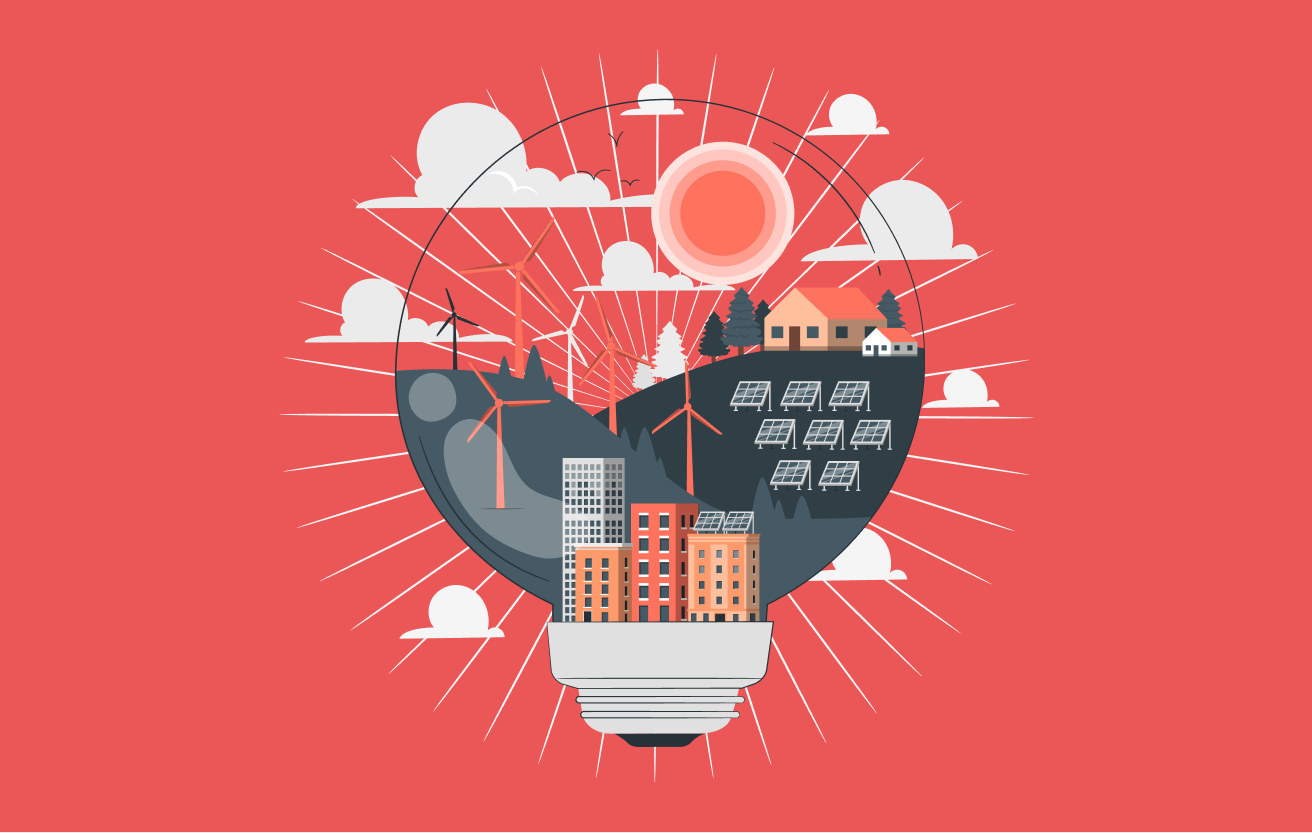
- Energy Efficiency: The integration of solar panels, green roofs, and energy-efficient windows reduces energy consumption, leading to lower greenhouse gas emissions.
- Water Conservation: Techniques such as rainwater harvesting and greywater recycling help in reducing freshwater consumption, preserving this precious resource for future generations.
- Waste Management: Recycling initiatives and the use of prefabricated components minimize construction waste, diverting significant amounts from landfills.
Benefits of Sustainable Construction
The shift towards sustainable construction is not just beneficial for the environment but offers a plethora of advantages:
- Economic Benefits: While sustainable construction might have higher initial costs, the long-term savings in energy and water bills, coupled with increased property values, make it a sound investment.
- Environmental Benefits: Reduced carbon footprints and conservation of natural resources ensure that we leave a habitable planet for future generations.
- Social Benefits: Sustainable buildings offer healthier living spaces, free from harmful chemicals and pollutants. They also contribute to global sustainability goals, fostering a sense of community responsibility.
Challenges in Adopting Sustainable Construction
Despite its evident benefits, the road to sustainable construction is fraught with challenges. The initial investment required for green technologies can be daunting for many. There’s also a need for retraining professionals to understand and implement sustainable practices. Moreover, in certain regions, there’s a lack of availability of sustainable materials and technologies.
The Future of Green Construction
The future looks promising for sustainable construction. With advancements in technology, we are witnessing the rise of smart buildings equipped with AI and IoT, optimizing energy consumption in real-time. The concept of net-zero buildings, which produce as much energy as they consume, is gaining traction. Urban farming, integrated into building designs, is another trend set to revolutionize the construction industry.
In conclusion, sustainability in construction is not just a trend but a necessity. As we stand at the crossroads of environmental challenges, the construction industry has a pivotal role to play in shaping a sustainable future. It’s a collective responsibility to adopt, promote, and advocate for green construction practices, ensuring a greener, healthier, and prosperous future for all. Check out what CQ is doing for business management software within the construction software and see how we are creating the most complete standalone software in the industry.